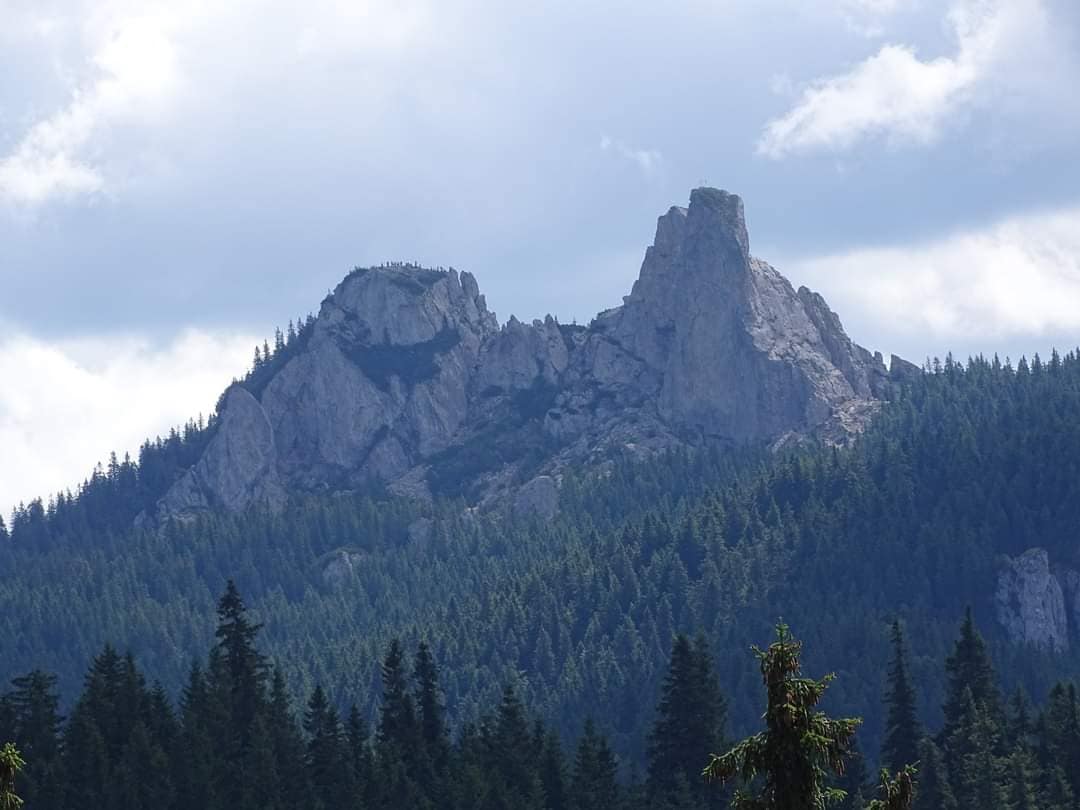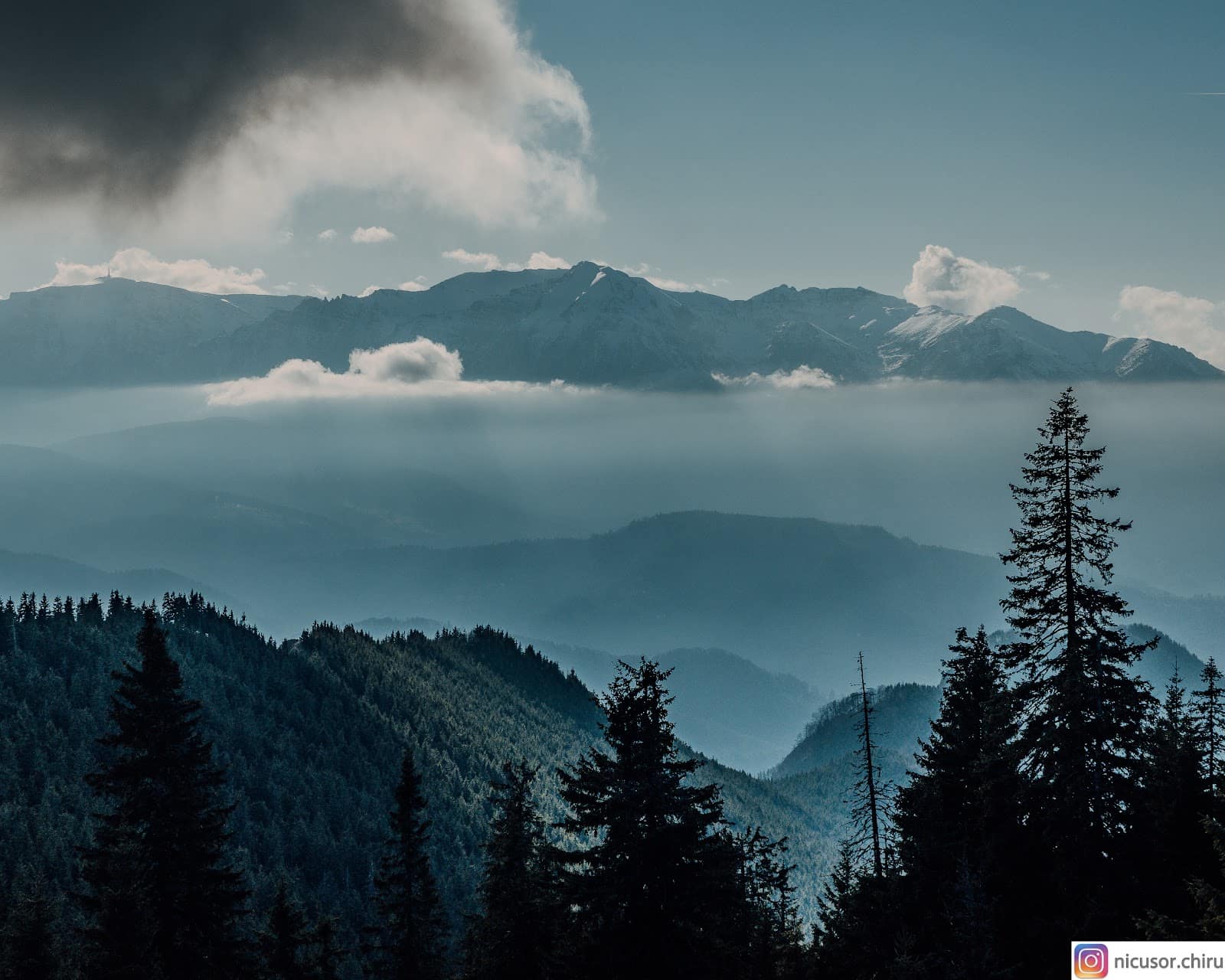
The Apuseni Mountains are not the highest range in the Carpathians, but they hold the densest collection of karst landforms in Romania: plateaus pocked with sinkholes, caves with ice thousands of years old, gorges squeezed between limestone walls, and villages scattered across ridges above 1,200 metres. If you have a long weekend or a full week, the region offers a rare mix of easy hiking, show-cave visits, and scenery that changes with every season.
Below are the sights worth prioritising, roughly in the order you would string them into a logical route running from the south-west toward the north. For full geographic context, see the dedicated Apuseni zone page.
The Padiș Plateau: the karst heart of the Apuseni
Padiș is the launching point for the most spectacular sights in the Bihor massif. It is a high plateau of meadows, spruce forest, and a maze of marked trails leading to Cetățile Ponorului, Groapa Ruginoasă, or the Galbena Gorge.
The access road is gravel for the final kilometres and turns rough after rain; low cars suffer. In summer the car parks at Padiș and Glăvoi fill up by mid-morning, so it pays to start early. From here most routes are loops of 3-6 hours, without exhausting elevation gain but with slippery sections through the forest.
Cetățile Ponorului: the most striking karst feature
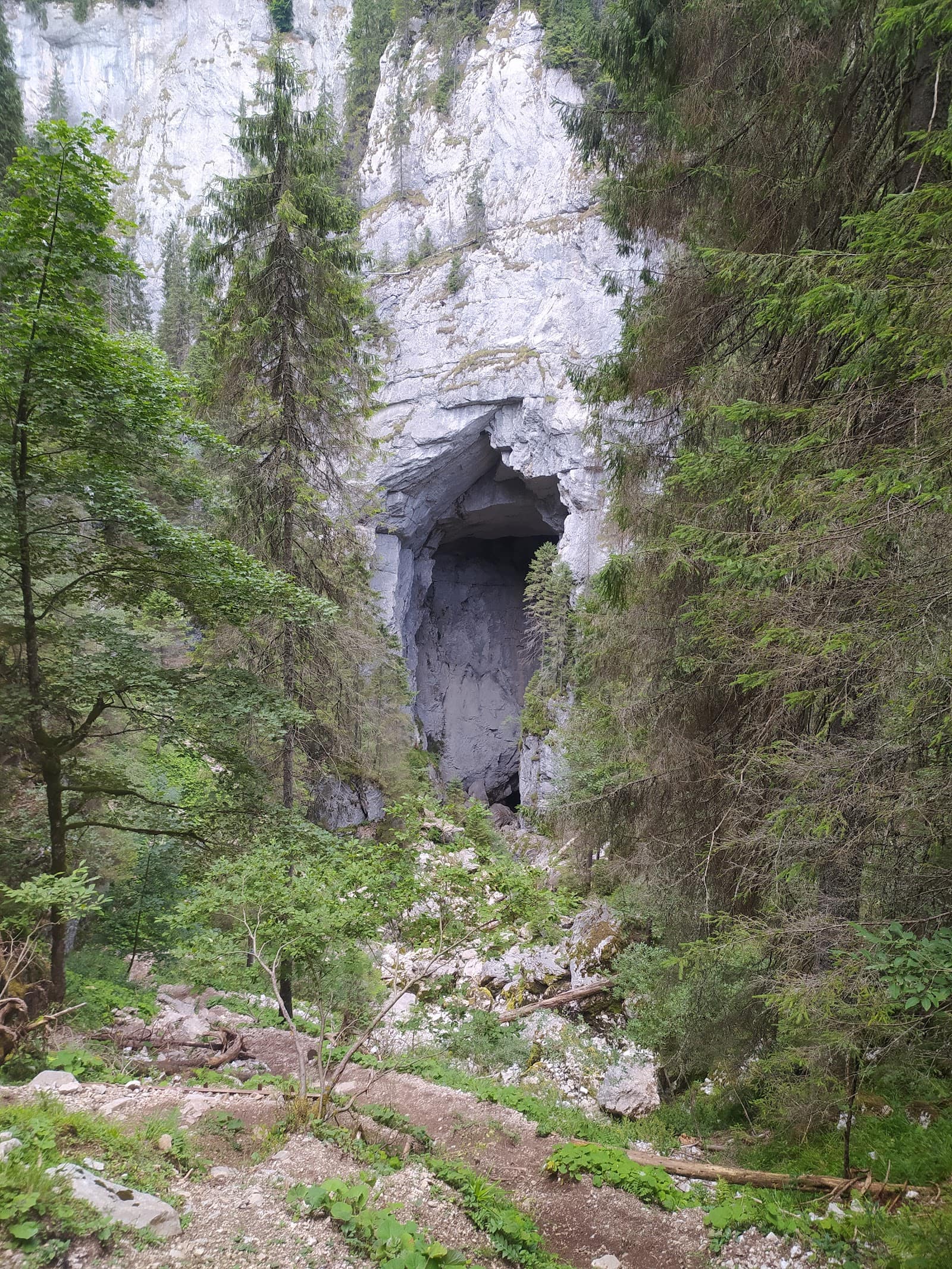
Cetățile Ponorului is, without exaggeration, one of the most important karst phenomena in Romania. Three enormous sinkholes merge above a cave that swallows an entire stream. Seen from the viewpoint, the abyss looks like it belongs on another continent.
The descent down to the cave portal is steep and demanding, with wooden steps and passages you take using your hands. This is no place for city shoes. The reward, though, matches the effort: the cave mouth is tens of metres high.
Scărișoara Cave: the underground glacier
On the edge of the Padiș plateau, but also reachable from Gârda de Sus, lies Scărișoara Cave, which shelters the largest underground glacier in Romania. The block of ice is estimated to be thousands of years old and survives thanks to the bag-like shape of the cave, which traps cold air all year round.
The visit follows metal stairs down to a viewing platform above the glacier. The temperature inside stays around 0 degrees even in August, so bring a jacket regardless of the weather outside. For other show caves, the cave-type sights filter shows your options across the country.
Bears' Cave: the most visited in the Apuseni
In the village of Chișcău, Bears' Cave (Peștera Urșilor) is the most family-friendly show cave. It takes its name from the many cave-bear skeletons found inside. The galleries have lighting, paved paths, and a short visiting route suitable for children or for anyone who wants no physical effort.
Unlike Scărișoara, the emphasis here is on stalactite and stalagmite formations rather than ice. It makes an excellent complementary stop on a circuit through the region.
Turda Gorge: an hour of walking between vertical walls
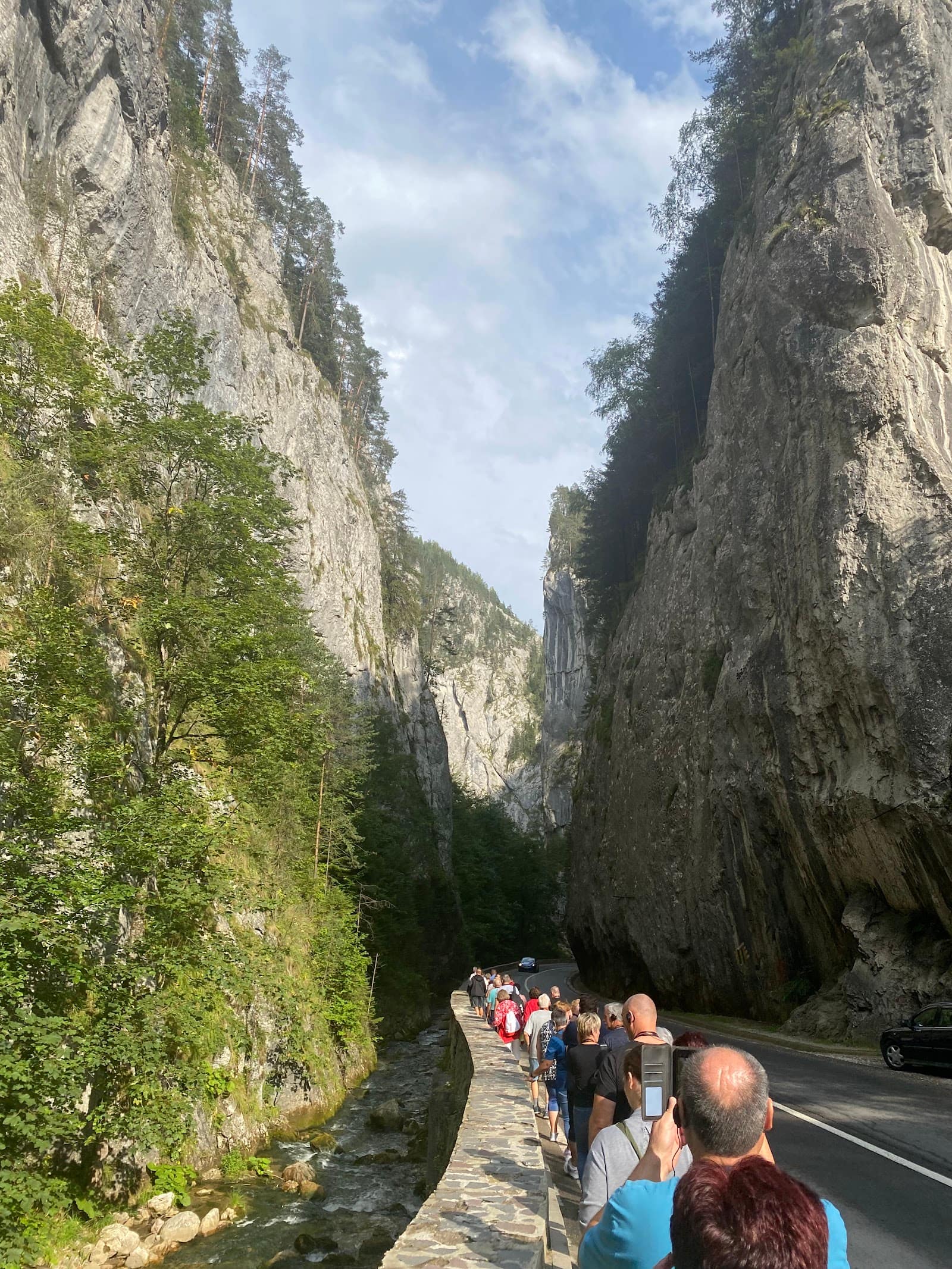
Further east, near Cluj, the Turda Gorge (Cheile Turzii) offers something different from the rest of the Apuseni: a narrow defile carved by the Hășdate stream, with limestone walls over 300 metres high and trails crossing suspended bridges and running along the rock.
The main route takes roughly 1.5-2 hours round trip and is accessible to most people, though it has a few sections with stairs and slippery stones. It is one of the most popular day destinations for Cluj residents and a good introduction to the gorge landscape of the region.
Arieșeni and the mountain villages
For lodging and as a base for exploration, Arieșeni is the classic choice. The village on the Arieș valley combines a winter ski slope with traditional guesthouses and easy access to Scărișoara, Padiș, or Vârtop. In summer it becomes a hiking hub, and in winter a small family ski centre.
Look for guesthouses and accommodation options early in peak season, because the good spots fill up fast in July-August and around New Year.
How to string the sights into a circuit
- Day 1: Gârda de Sus, Scărișoara Cave, check in at Arieșeni.
- Day 2: full day at Padiș, with Cetățile Ponorului as the highlight.
- Day 3: Bears' Cave at Chișcău, possibly continuing to Turda Gorge if you head back toward Cluj.
This pace leaves time for hiking without rushing. If you want more cave ideas across the country, read our guide to show caves of Romania, and for dramatic defiles, the article on gorges and canyons to visit.
Frequently asked questions
How much time do you need to visit the Apuseni?
For the main sights (Scărișoara, Padiș, Bears' Cave) you need a minimum of 3 days. A weekend covers only 2-3 points without rushing.
Can you reach Cetățile Ponorului with small children?
The viewpoint is accessible on easy trails, but the descent to the cave is steep and not recommended for small children or people without proper footwear.
What gear do I need at Scărișoara?
A warm jacket (the cave stays around 0 degrees year-round) and footwear with grippy soles for the metal stairs, which can be wet.
When is the best time for Padiș?
June to September, when the access road is dry and the trails are passable. After heavy rain, vehicle access becomes difficult.
Are the Apuseni good in winter too?
Yes, for skiing at Arieșeni and Vârtop and for winter scenery, but many plateau trails are not passable without snow-touring gear and experience.