When you go to the mountains matters as much as where you go. The same valley looks completely different in February, under a metre of snow, than in July, when the ridge road is open and the glacial lakes mirror the sky. The Carpathians don't have one "good season" and the rest bad — they have four seasons, each with its own charm and its own traps. This guide tells you what each season offers, when the high-altitude roads open, and when the lakes are reachable, so you don't lug crampons in August or hunt for frozen waterfalls in June.
The golden rule, valid in any season: the mountain makes its own weather, and it changes its mind fast. Check the mountain weather and the road conditions before every departure, no matter the month. What follows are guidelines, not guarantees.
Winter (December–March): skiing and snow
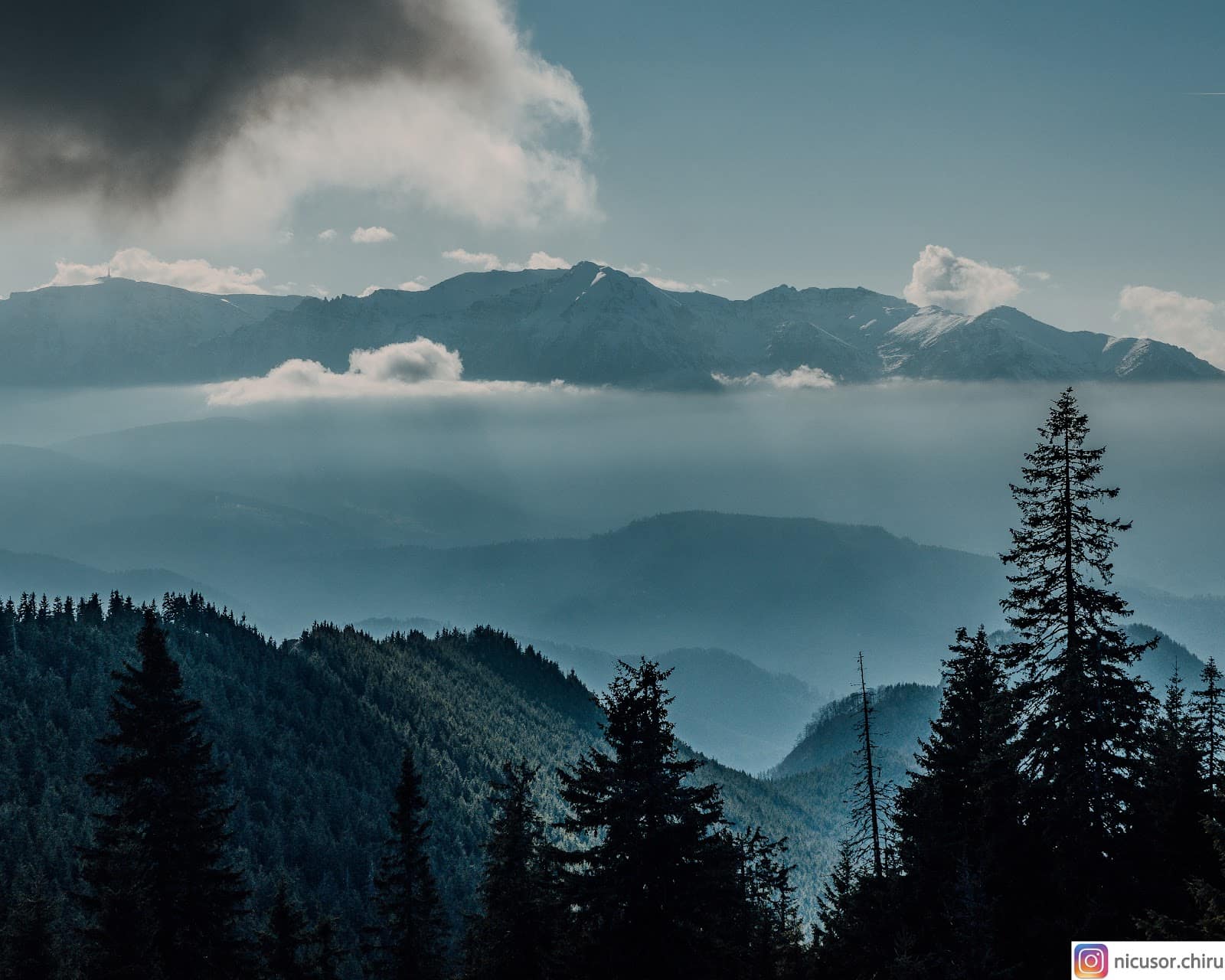
Winter is the clear, unambiguous season: snow, slopes, warm cabins. The ski season runs roughly from December to March, sometimes into April at high altitude, with the best snow in January–February.
- What you do: skiing and snowboarding at resorts, sledding with the kids, easy snowshoe hikes, storybook scenery.
- Where: the areas in the skiing in Romania guide — from Poiana Brașov to Straja or Transalpina–Vidra.
- Caution: the high-altitude roads (Transfăgărășan, the high stretch of the Transalpina) are CLOSED in winter. Avalanches are a real risk on the ridges — don't venture onto alpine routes without training and checking the avalanche bulletin.
For concrete winter ideas, see what to do in the mountains in winter. And don't leave without proper gear — the mountain safety and weather guide is required reading before any outing on snow.
Spring (April–June): waterfalls and caution
Spring is the most deceptive season. Down in the valleys it's green and warm; up on the ridges it's still winter. It's the season of waterfalls at full force, when snowmelt swells the streams, but also the worst time for alpine routes: rotten snow, residual avalanche risk, slippery trails.
- What you do: hiking in the low and mid zones, valleys with roaring waterfalls, the first buds, fewer tourists.
- Caution: do NOT climb the high ridges (Făgăraș, upper Bucegi, upper Retezat) too early — snow lingers there into June, sometimes July. What looks like the summer trail is a snowfield that freezes overnight.
- The high-altitude roads: the Transfăgărășan and the high part of the Transalpina stay CLOSED until around summer (usually from June–July, depending on how the snow clears). Don't count on them in May.
Spring is the perfect time for the low valleys of the mountain zones and for easy trails, leaving altitude for later.
Summer (June–September): ridges and open roads
Summer is the queen of alpine hiking. For high-altitude routes the good window is June–September, when the snow has retreated from the ridges and the trails are passable. This is when you do the great traverses and reach the glacial lakes.
- What you do: ridge traverses, glacial lakes, refuges and cabins up high, spectacular drives.
- The big ridges: the Făgăraș ridge is accessible in summer; this is also when you do the finest hikes in the Bucegi and in Retezat, with its glacial lakes.
- The star roads: the Transfăgărășan (through the Făgăraș–Transfăgărășan zone) and the Transalpina open in summer — exactly the season worth driving them. Check the road conditions, because the exact opening date varies year to year.
Summer at altitude does NOT mean guaranteed warmth: afternoon storms are frequent and dangerous on the ridge. Set out early, descend before midday-afternoon, always carry a waterproof layer. Activity ideas in what to do in the mountains in summer. The right kit is described in the mountain hiking gear guide.
Autumn (September–November): colours and quiet
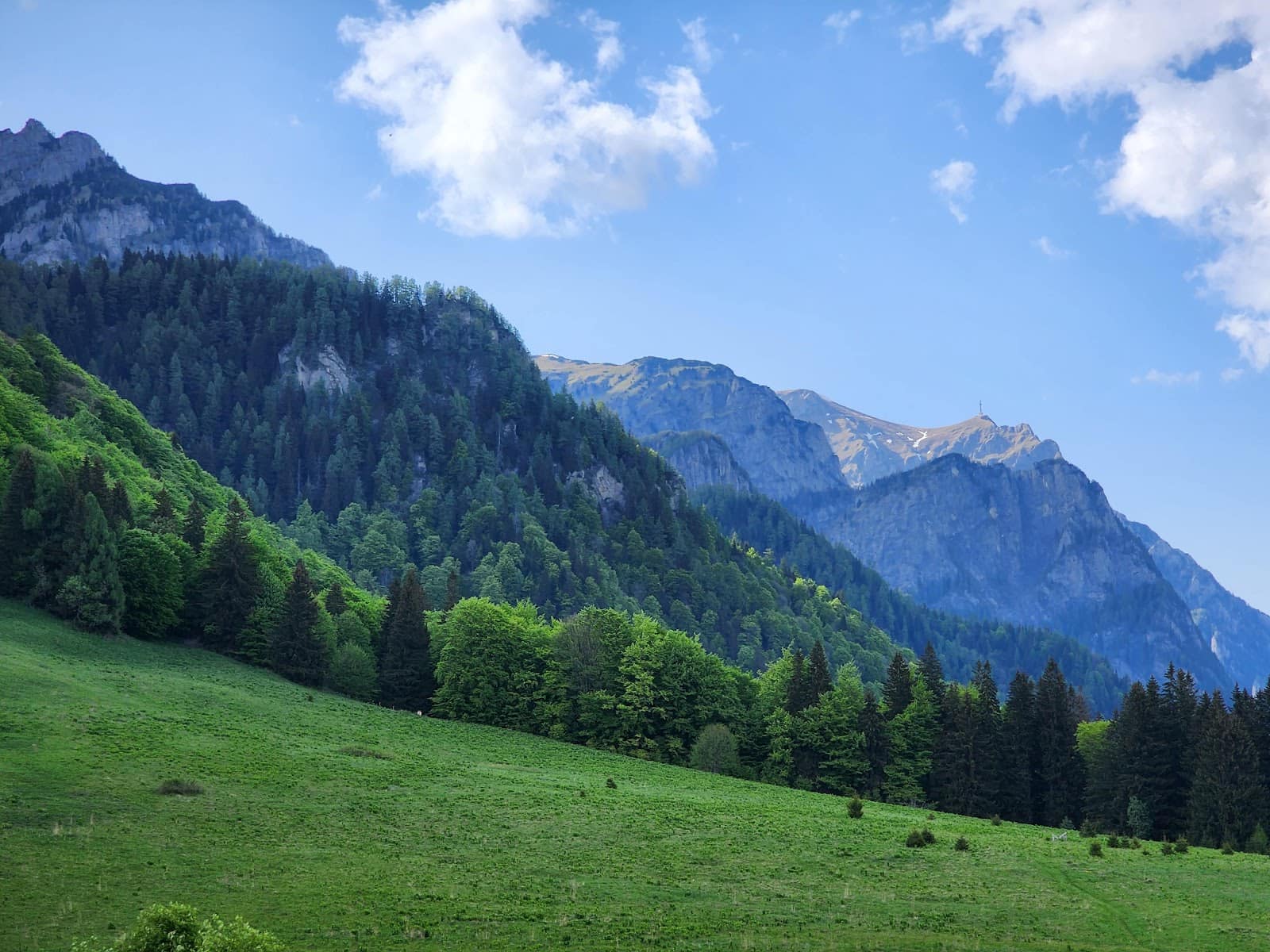
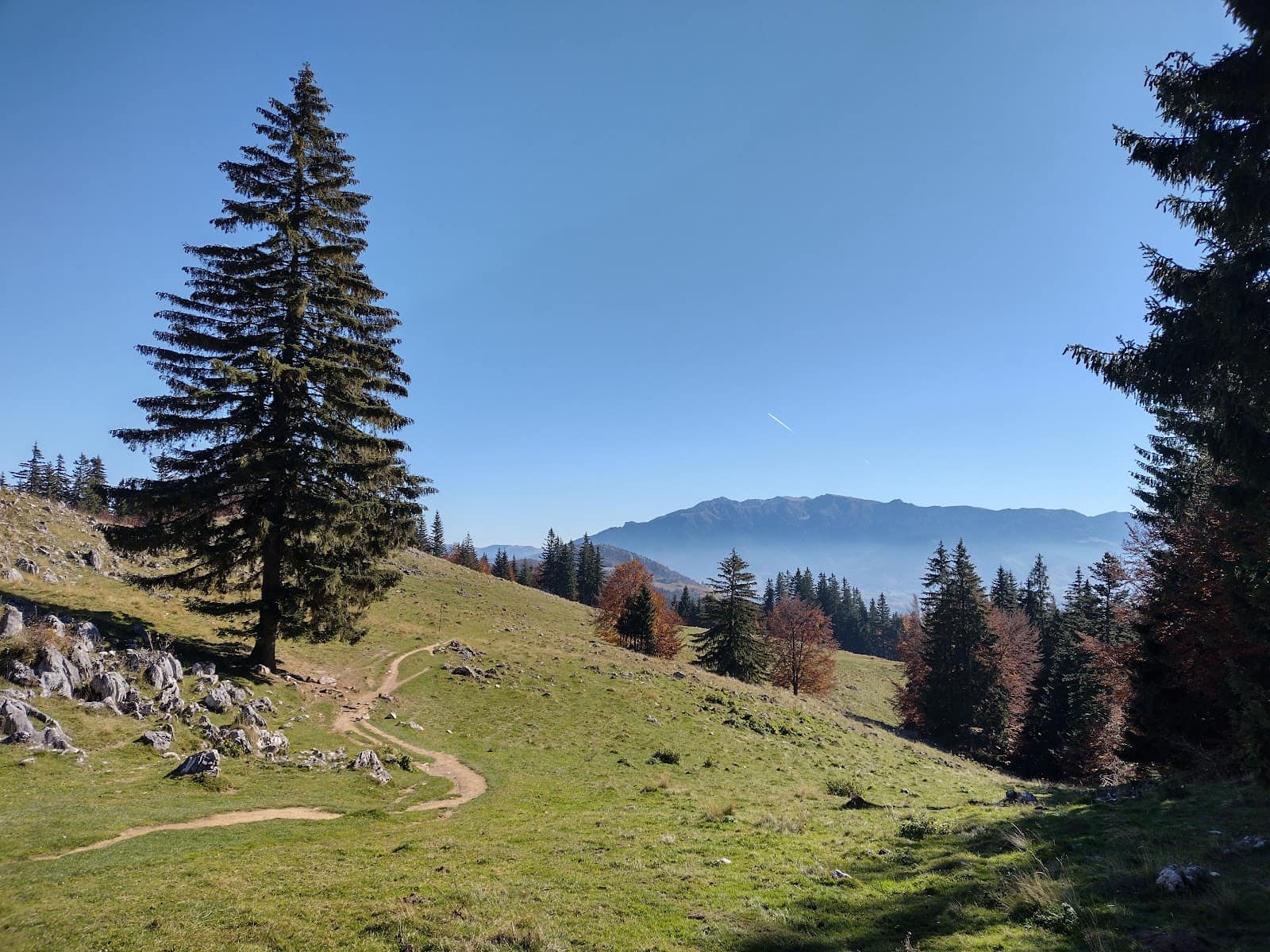
Many mountain people will tell you autumn is the most beautiful season, and they're right. September and October bring clear skies, cold clean air, beech and birch ablaze in copper-yellow, and — a huge bonus — far fewer people than summer.
- What you do: hiking in stable, cool weather, autumn landscapes, photography, mushrooms in the forest.
- Advantages: the trails are still dry and passable in early autumn, the air is crystalline, routes crowded in summer turn quiet.
- Caution: the days shorten fast — plan your return time with a margin. The first snows can fall up high as early as October; it can already be winter on top while it's mild autumn below.
Toward late autumn (November), the high-altitude roads start closing again for winter — the Transfăgărășan and Transalpina usually close in autumn, just as the weather turns. For visual inspiration, see autumn in the mountains: landscapes.
The calendar in brief
- January–February: skiing, the best snow. High-altitude roads closed.
- March–April: end of the ski season at altitude; down low, spring begins.
- May–June: waterfalls, low valleys. The ridges still hold snow; the alpine roads still closed.
- June–September: ridge traverses, glacial lakes, Transfăgărășan and Transalpina open.
- September–October: the finest colours and quiet; make the most of it before the first snow.
- November: transition to winter, the high-altitude roads close.
Whatever the month, the final call is made on that day's weather and road conditions. And if you want to combine the mountains with relaxation, many areas have thermal baths nearby — perfect after a day on the trail or the slope.