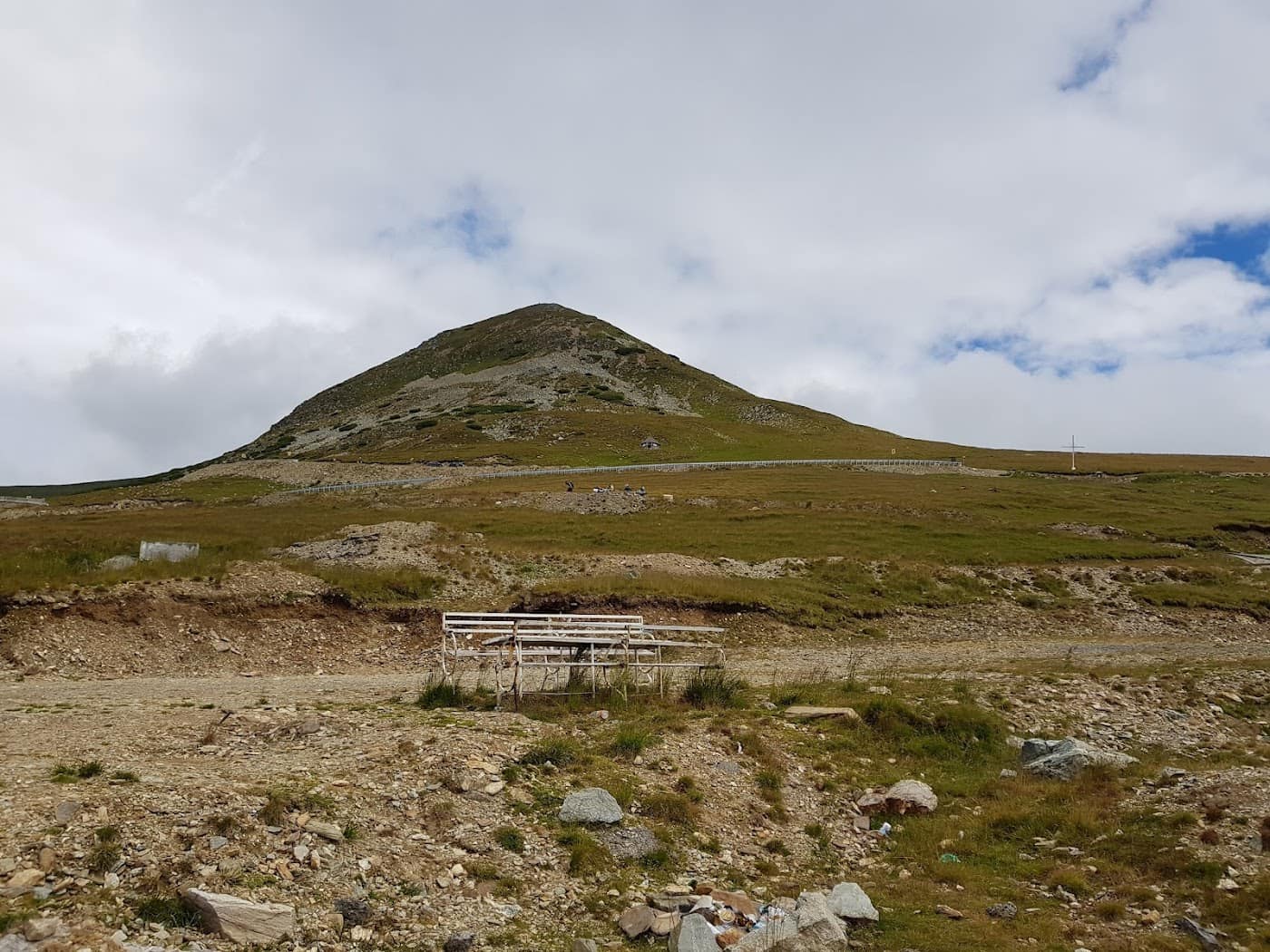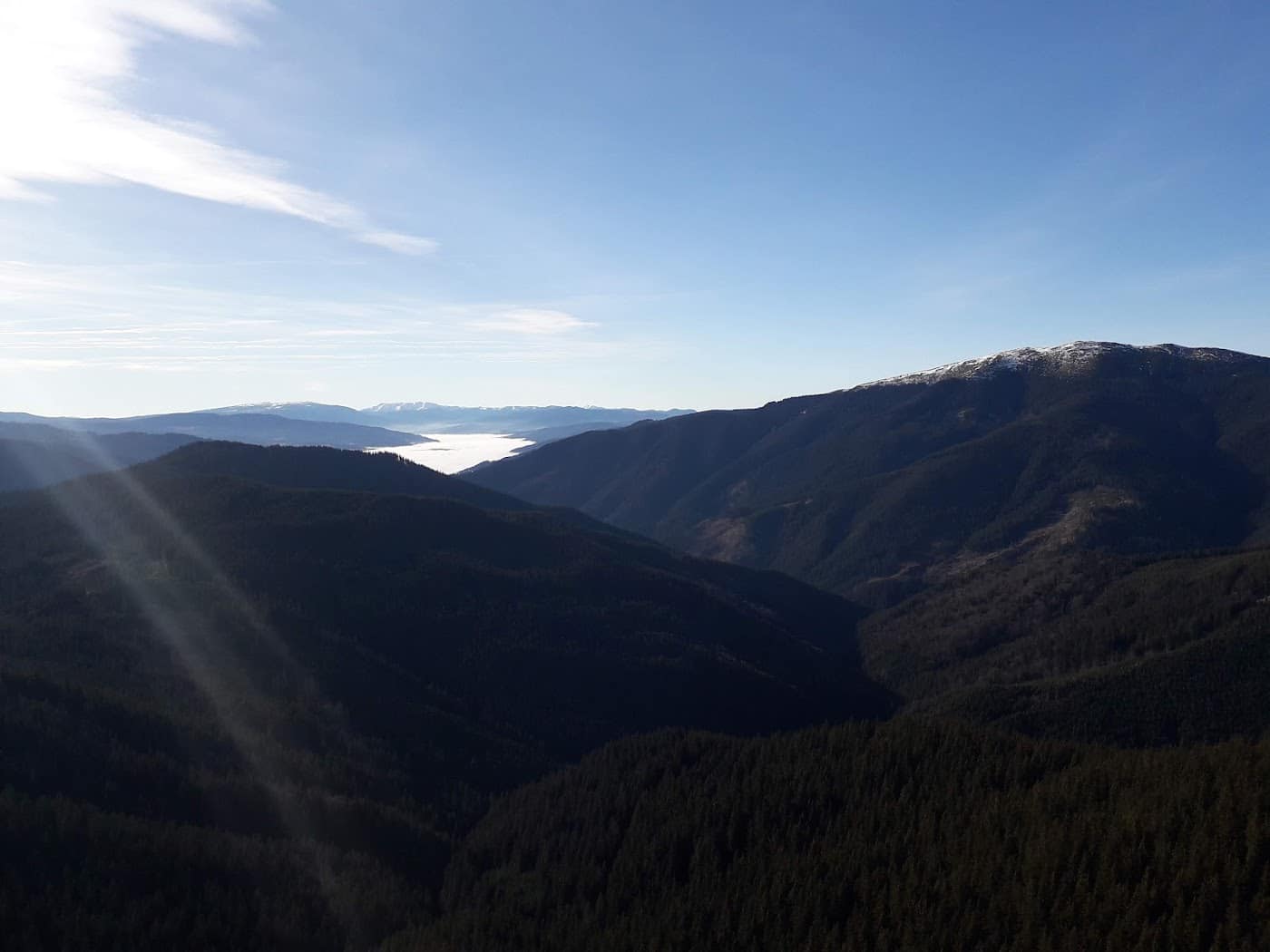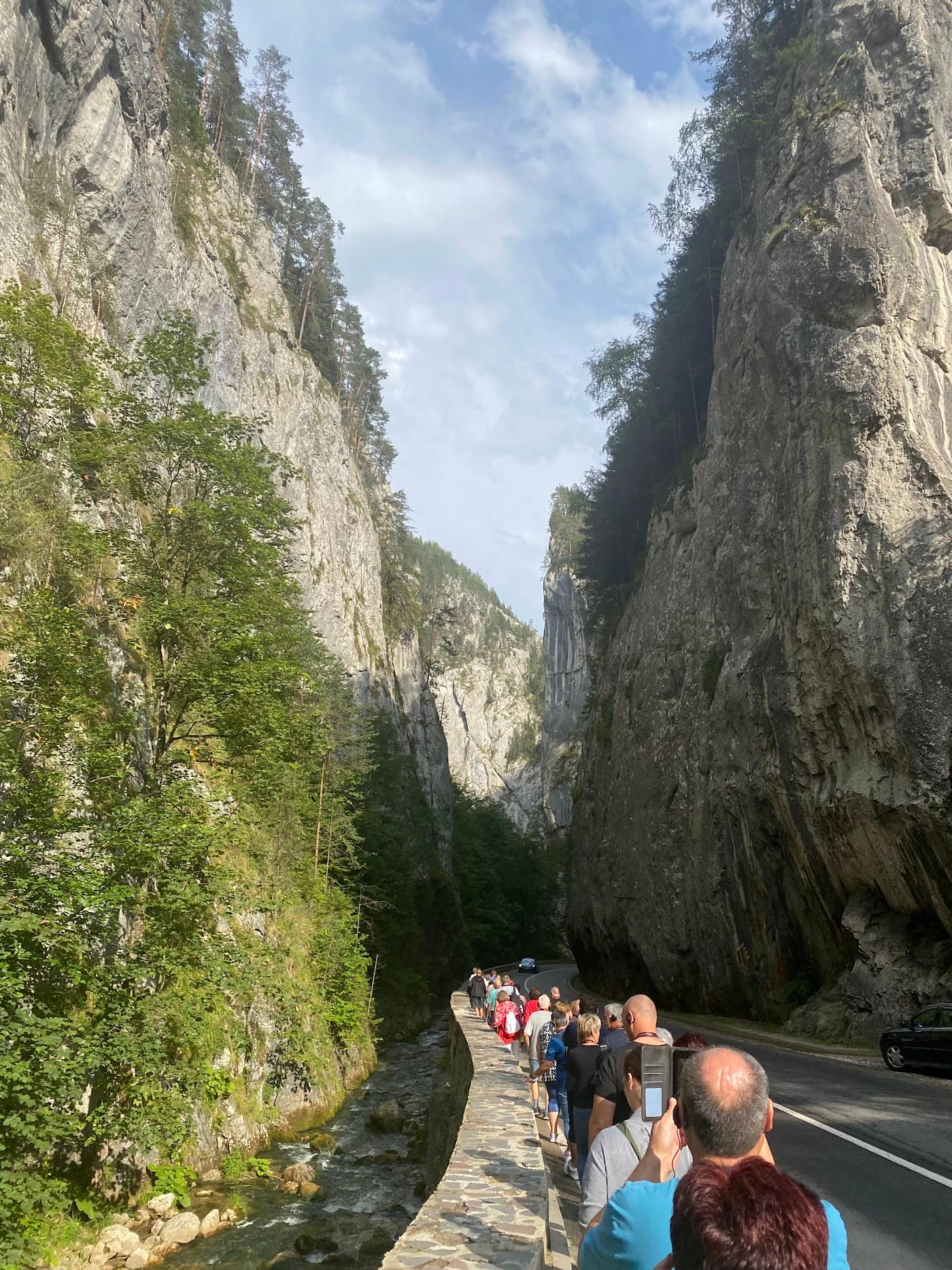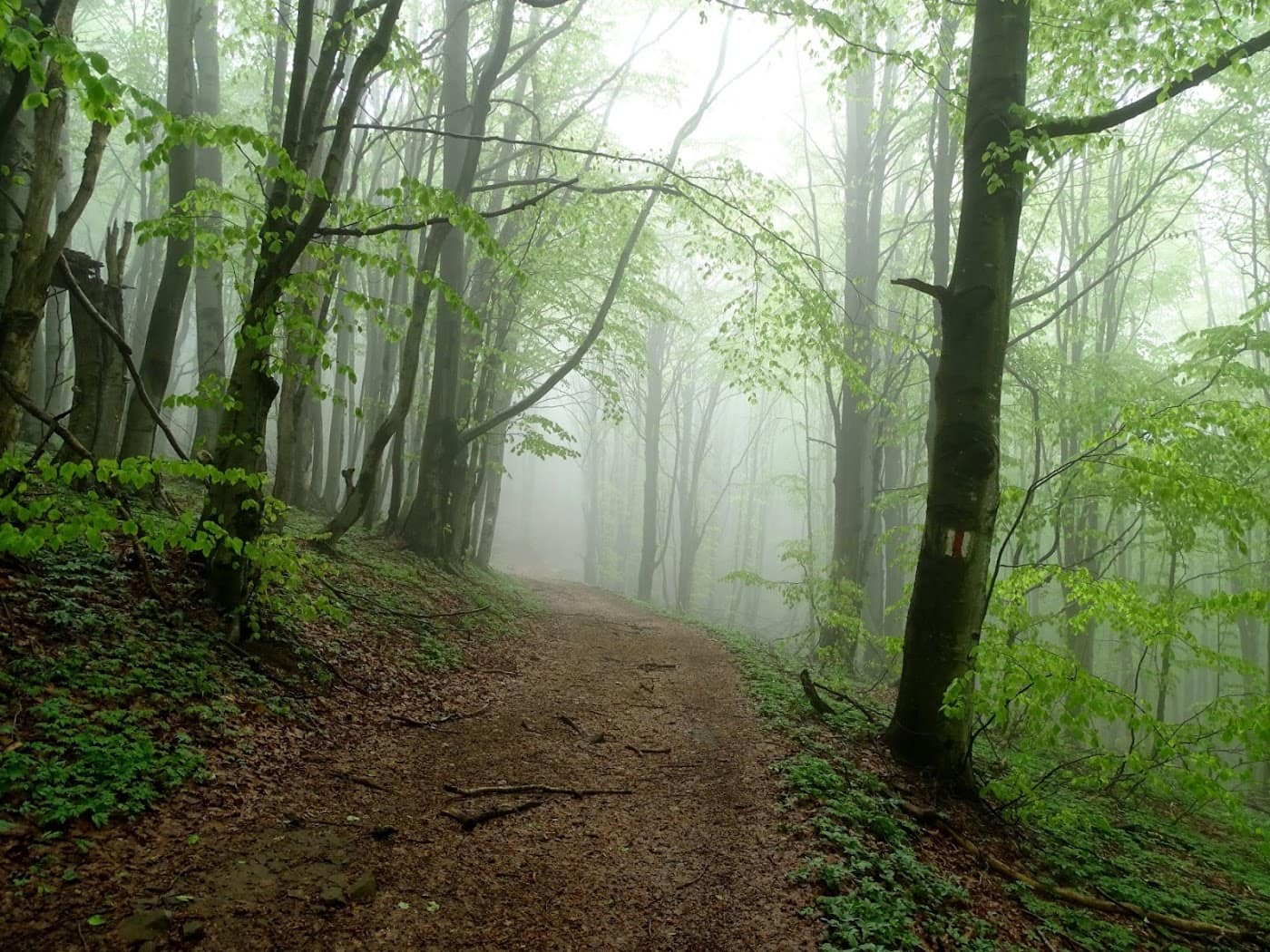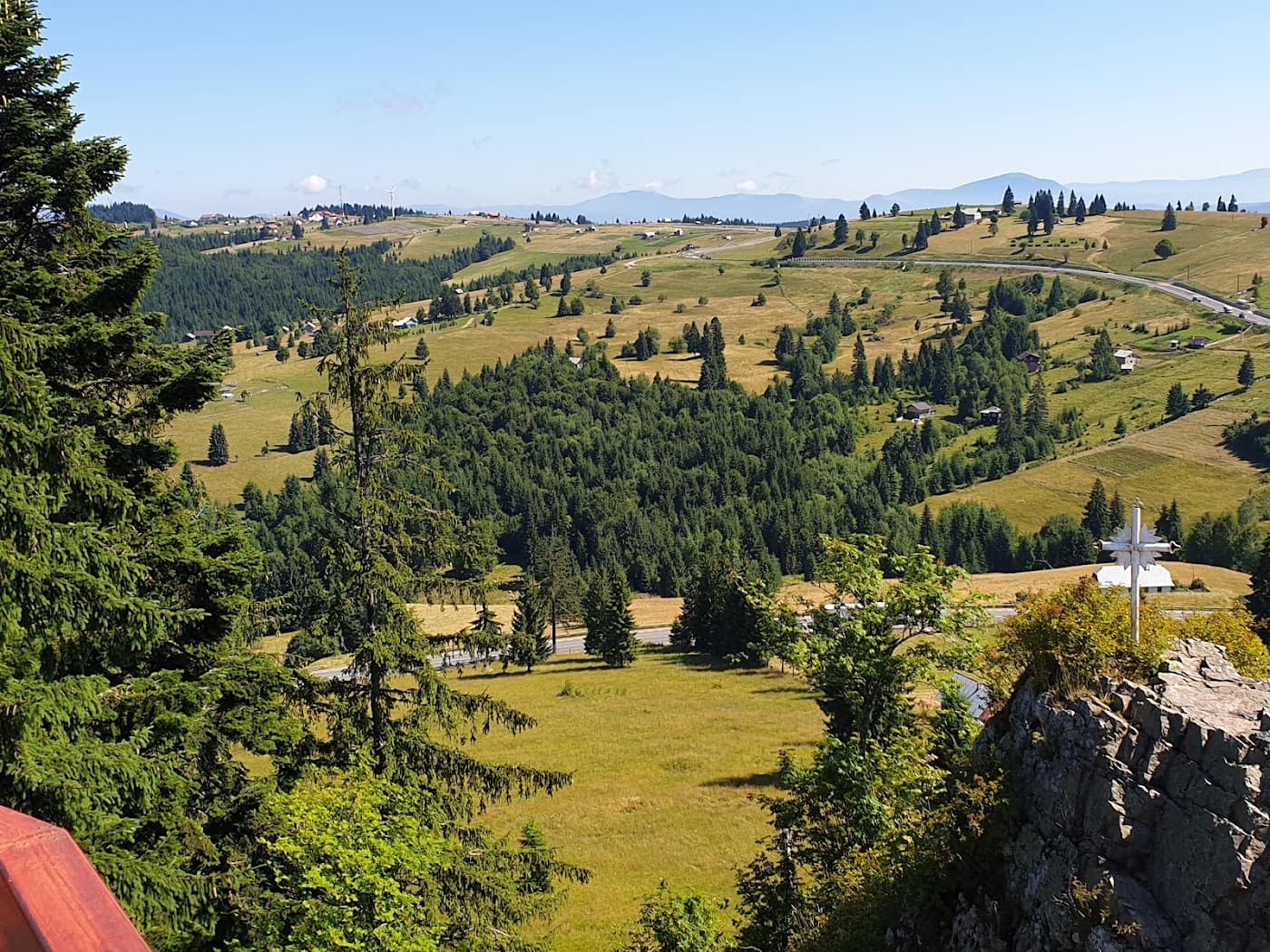
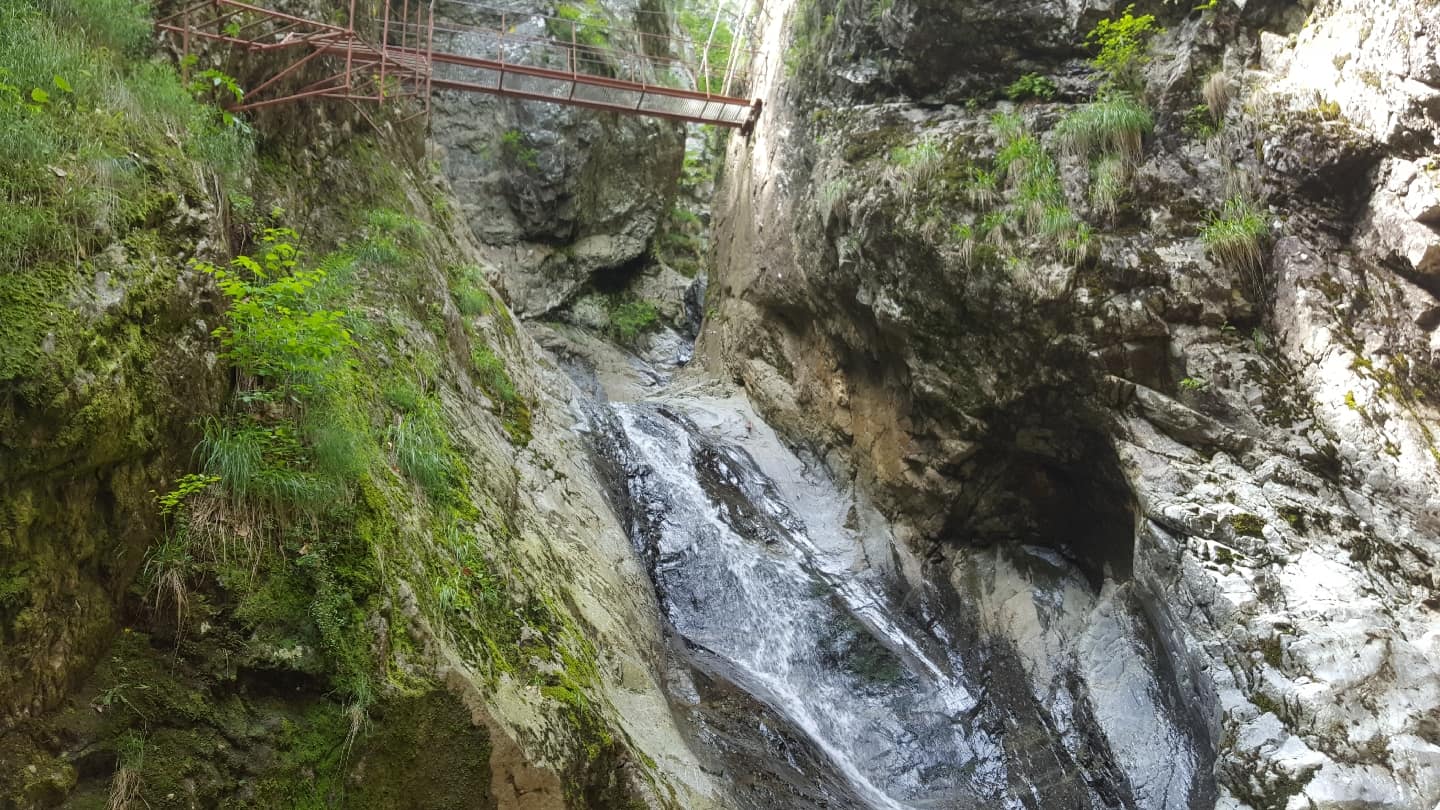
The Transfăgărășan (DN7C) and the Transalpina (DN67C) are two of the most spectacular alpine roads in Europe, and the best way to savour them is in your own car, at your own pace. If you don't have a suitable one, a well-organised rental solves everything. Here's how.
1. Choose the right period Both roads have high alpine sections that open, roughly, only in the warm summer months and can close temporarily in bad weather or early snowfall. The exact opening and closing dates are announced each year — don't set off based on what happened last year. Always check the state of the roads and the weather before you start.
Even in peak season, the day matters. A sunny weekend brings queues on the switchbacks and full car parks up top; a weekday at first light is practically a different road.
2. Book the car early Demand explodes in summer, exactly when you want to go. A few steps: 1. Book a few weeks ahead for peak season. 2. Choose a car with some power — long climbs tire a small engine loaded with luggage and passengers. 3. Check the fuel policy (full-to-full is the fairest) and the mileage (ideally unlimited). 4. Read the excess and the insurance (CDW/theft) and exactly what it covers; consider extra cover for peace of mind. 5. Photograph the car at pickup, all the way around, including wheels and windscreen.
For guided tours with a driver, if you'd rather not drive the switchbacks yourself, see the experiences section — there are options that include transport.
The questions to ask before you pay Rules differ a lot between companies, so get the answers in writing, not over the phone: - Minimum age and licence seniority, plus any young-driver fee. - The deposit card — usually a card in the main driver's name is required to block an amount; confirm the sum and when it's released. - A second driver — if you swap at the wheel on a long day, they must be on the contract, or the insurance may not apply. - Drop-off in another city (one-way), useful if you cross the ridge without coming back. - What happens with a breakdown or damage on a mountain road: who comes out, and what you pay.
Confirm all of this directly with the operator — don't assume anything from experience with another supplier.
3. Which car and which features matter You don't need a 4x4 for the paved road, but you do need a car in good shape. What counts: - Good brakes and tyres — you descend a lot, and brakes heat up on switchbacks. - Working air conditioning and a full washer reservoir. - A spare wheel or kit and a warning triangle/vest on board. Drive in a low gear on descents (engine braking), don't ride the brake continuously.
Manual or automatic? An automatic is easier in queues but needs care on descents: use engine braking or the manual gears, otherwise you rely on the brakes alone.
How big? An estate or a compact SUV is the sweet spot: the luggage fits, but you still turn comfortably in a hairpin. A fully loaded people carrier climbs poorly and manoeuvres badly in the narrow car parks up top.
4. Plan the route and the stops The Transfăgărășan links the Făgăraș area to Sibiu over the ridge, with Bâlea Lake at the highest point. The Transalpina climbs even higher, through Parâng and Rânca. If you're already in the region, the Transrărău in Bucovina is a shorter, less crowded alternative.
Tips: - Start early. Afternoon traffic and fog spoil the pleasure. - Don't calculate your time "by distance". Switchbacks and photo stops eat far more than the map shows. - Fill up before the climb — stations are rare on the alpine sections. - Book accommodation at the ends of the route; see the guesthouses and hotels in the area, plus the local restaurants.
A two-day plan that works - Day 1: climb the DN7C from the south early, stop at Bâlea Lake while the car park can still breathe, descend the northern side and sleep around Sibiu or Făgăraș. - Day 2: cross to the DN67C and drive the Transalpina the other way, with a long stop on the plateau. If you also want to walk, the short Bâlea–Capra trail is the best reward for an hour of climbing.
Section-by-section detail sits in the dedicated guides: Transfăgărășan and Transalpina.
5. Safety on the switchbacks The mountain doesn't forgive haste. Respect the limits, don't overtake on a bend, and give room to cyclists and motorcyclists. If you hike up to Bâlea or on the trails around, save Salvamont 0725 826 668 and 112, and check the weather — up high it changes abruptly.
Three reflexes that make the difference: stop only in proper laybys (a door opened on a bend is an accident waiting), headlights on in fog, and double your following distance on descents.