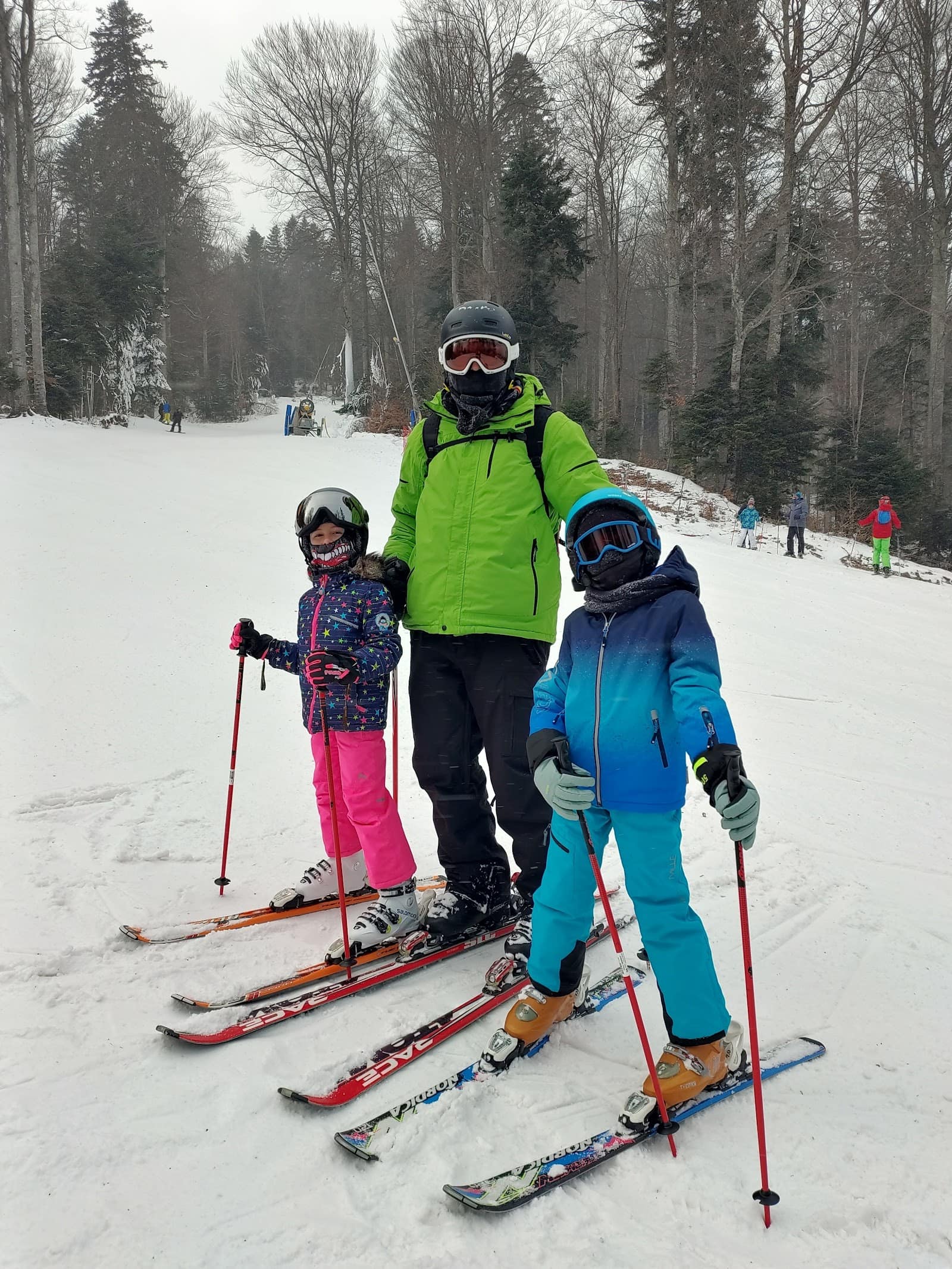
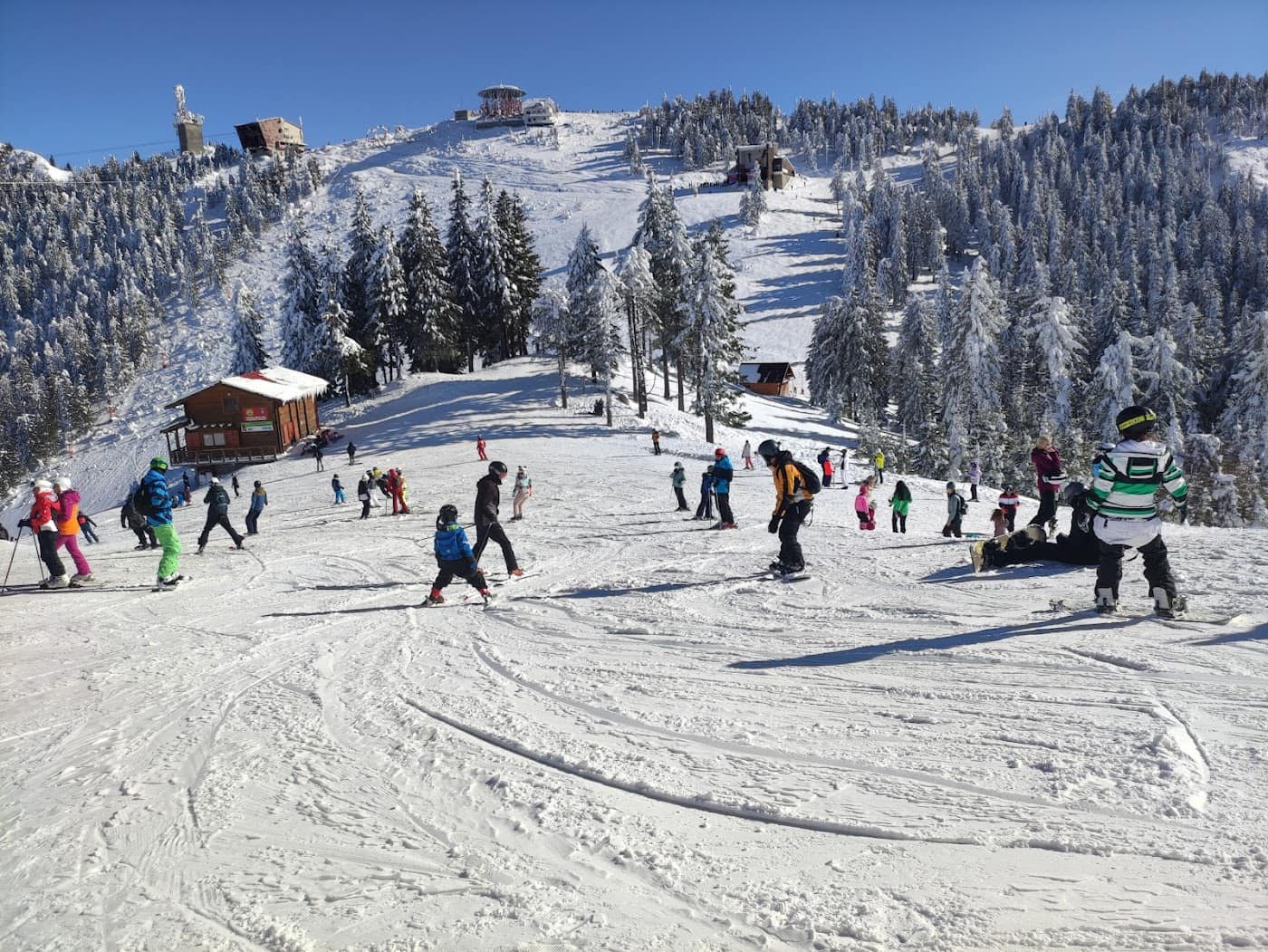
A day of skiing in Romania does not have a price. It has a price structure — seven or eight separate lines, each set by someone different: the resort for the lift pass, a private shop for rental, a school for lessons, you for transport and food. Anyone telling you "a ski day costs X" added those lines up at one moment, for one skier profile, in one resort, and published the total. A month later, half the figures have moved.
This guide does something else: it gives you the structure, shows you what drives each line, and sends you to the source that announces it. You do the adding, with today's figures rather than yesterday's.
Why you won't find tariffs on this page
Because we would be deleting them two weeks later. Lift-pass tariffs in Romania change during the season, differ between weekend and weekday, between a full day and a four-hour pass, between adult and child, and in several resorts they are adjusted according to how many runs are actually open. A price copied in October and left on a website until February is not information, it is a trap — you arrive at the ticket window with one figure in your head and another on the board.
So on every resort page you get a button to that resort's official tariff, where we could confirm the domain, or to a search, where we could not. And in slope conditions you see snow and temperature right now, across every resort — because the price only matters once you know whether there is skiing at all.
Line 1: the lift pass
This is the line that varies most, and not only between resorts. What moves it:
- Duration. Full day, half day, four hours, or a number of lift rides. On a first day with a child, a points pass can come out cheaper than a day pass — as long as you don't ride ten times.
- The day. Weekends and school holidays are peak tariff. Tuesday morning is not.
- How much is open. A few resorts price by working installations. When only the base chairlift runs you pay less — but you also ski less.
- Age and status. Children, pupils, students, seniors — nearly every resort has reductions, but the age thresholds differ from one to another.
- The refundable card. At many ticket offices you pay a deposit for the access card, refunded when you leave. It is not a cost, it is a deposit — but it leaves your wallet that day.
Where to check: the resort's official site, from its page here. If you are heading to Poiana Brașov, Sinaia, Predeal or Straja, each has its own pricing rules, not a shared one.
Line 2: the equipment
You have three options, and the gap between them is wider than the gap between resorts.
Rental at the base. The simplest. Skis, boots and poles, sometimes with the helmet charged separately. The tariff is per day, with a discount for several days. Watch two things: the helmet is often rented separately (and is mandatory for children on most slopes), and on busy weekends the popular sizes run out by around 9:30 in the morning.
Rental in town. In Brașov, Sinaia or Sibiu you'll find shops that rent more cheaply than the counters at the foot of the slope, because they don't pay resort rent. The cost: you load the gear into the car and carry it.
Your own equipment. It pays for itself somewhere between the third and fifth ski day of a season, if you buy second-hand or in an end-of-season clearance. Below that, renting wins. Above it, you also get boots that actually fit you — which, for a beginner, is the difference between a pleasant day and a painful one.
If this is your first outing, read the beginner's ski guide too: it details what to rent, in what order, and what you don't need yet.
Line 3: the lessons
For an adult who hasn't skied, two hours with an instructor on the first day completely changes the economics of the day: without them you spend half of the pass you paid for falling over on the beginner slope. It is sold individually or in a group — the group is noticeably cheaper, the individual progresses faster. The price is set by the ski school, not the resort, and several schools with different tariffs can operate in the same resort. Book ahead for weekends; good instructors are taken a week in advance.
Line 4: transport
Here you decide almost everything.
- Your own car: fuel both ways plus, in some resorts, parking, which is not free at weekends and fills up early. In winter, winter tyres are mandatory on roads with snow or ice — check the mountain road status before you leave, not halfway up.
- By train: the Prahova Valley is the only ski corridor in Romania with good rail access. Sinaia, Bușteni and Predeal have stations minutes from the gondola or local transport.
- By transfer or rental car, if you fly in: detailed in airport transfers to the mountain resorts and in the car rental guide.
- The access gondola, where the foot of the slope isn't in the village: at Sinaia, for instance, the ride up to the ski area is a separate installation from the lift pass. Check whether it is included in the pass you buy.
Line 5: accommodation, if you stay
For a clean single ski day — out in the morning, back in the evening — accommodation is zero. But if you stay, it is usually the largest line in the budget, bigger than the pass and the rental combined. What moves it: weekend versus weekday, distance to the slope, and whether or not you hit the winter school holiday. See the hotels and guesthouses in the mountain resorts; each page carries a map with real availability for your dates, because a room price without a date means nothing.
One trick that genuinely works: sleep 10–15 minutes from the slope, not at the base. The nightly difference is usually larger than the cost of the daily drive.
Line 6: food
The restaurant at the foot of the slope is the most expensive place you can eat that day — for the location, not the kitchen. The alternatives: eating in the village next door, where the food is better and cheaper, or sandwiches and a flask in the backpack. Skiing makes you drink more water than you expect: cold, dry air dehydrates you without making you thirsty.
Line 7: insurance
The line everyone cuts, and the worst-cut one. Rescue from the slope and first aid are covered by the mountain rescue service, but medical transport and treatment are not free in every scenario, and a serious knee sprain on a ski day is an ordinary accident, not an exotic one. Per-day accident cover costs a fraction of the first line in your budget. Also save the numbers from mountain rescue and emergencies in your phone before you go up, not after.
How to add it up
For one person, one day, no accommodation, you have to fill in: pass + rental (+ helmet if charged separately) + lessons, if it's your first day + fuel or train + parking + food + insurance. Seven lines. For a family of four, multiply the first three, not all of them — fuel and parking stay the same.
Three observations that change the total more than the choice of resort does:
- The first day is the most expensive day. Lessons, wrong rental sizes, time lost. On the second day, the same resort costs visibly less per hour of actual skiing.
- A weekday beats a weekend on every line at once — pass, accommodation, lift queues, and availability of both equipment and instructors.
- Check the snow before you pay for anything. A day with a thin base and one run open out of six costs exactly as much as a full day and gives you a quarter of the skiing. Slope conditions and weather by mountain area exist for precisely that decision, the day before.
When and where you go matters just as much
The season in Romanian resorts runs, indicatively, from December to March, with wide variation from year to year and with altitude — areas above 1,700 m hold snow longer. January and February are the months with the highest probability of good snow; December and March are the lottery.
For comparing ski areas — kilometres, difficulty, installations — see the best ski areas in Romania and the pass plus accommodation guide. And if the snow is missing or the day's budget won't close, what to do in the mountains in winter beyond skiing has the options that need no lift pass.
The mountain is not expensive. It is just divided into many small lines that nobody adds up for you. Now you have them all.