Bușteni, seven in the morning. A quiet queue of backpacks has already formed at the cable car's lower station; two hundred metres away, a family is lacing up boots at the start of the trail. Same destination — the Bucegi plateau — and two different philosophies about how you get there. The real question isn't "comfort or authenticity". It's what kind of day you want.
What the cable car does well
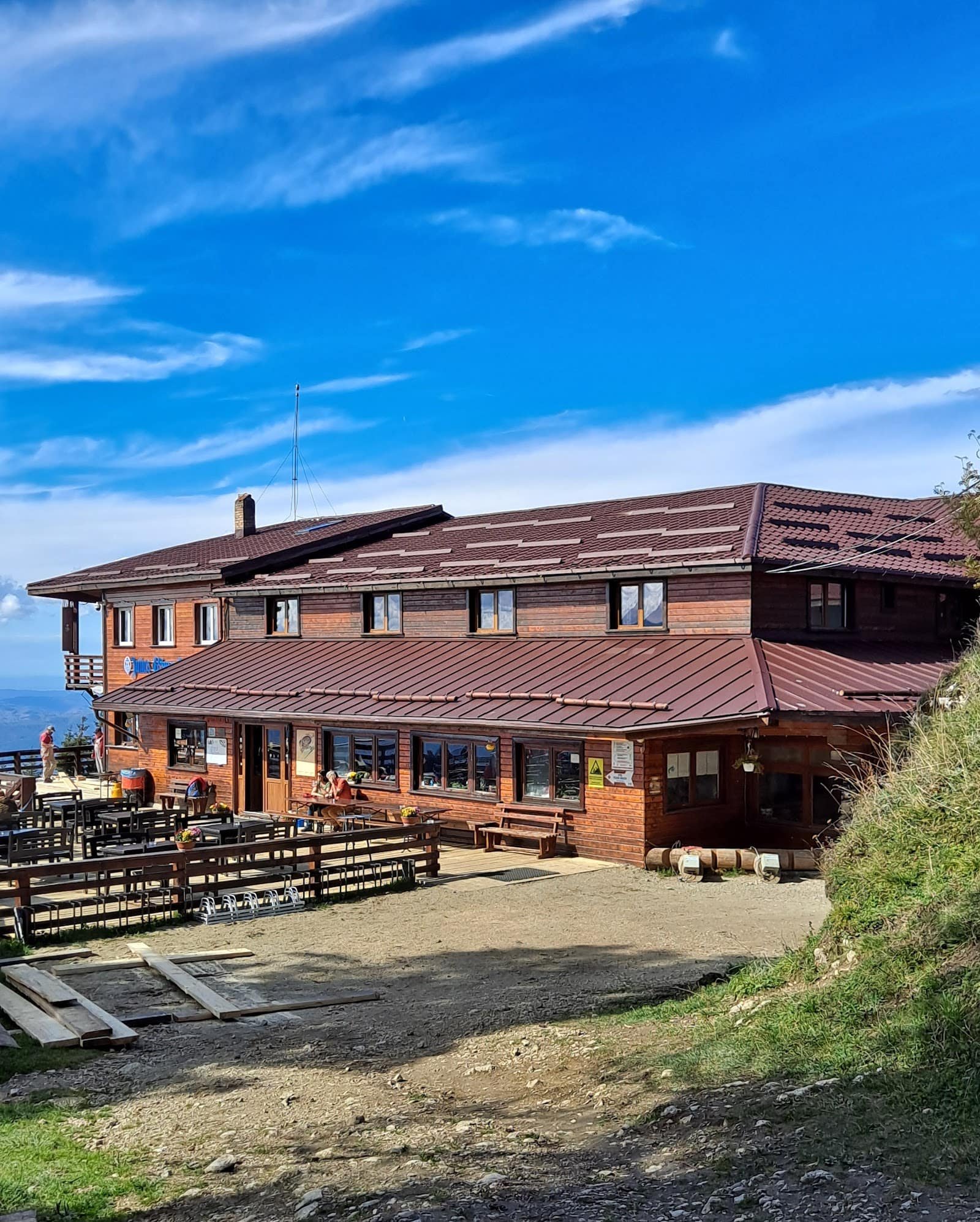
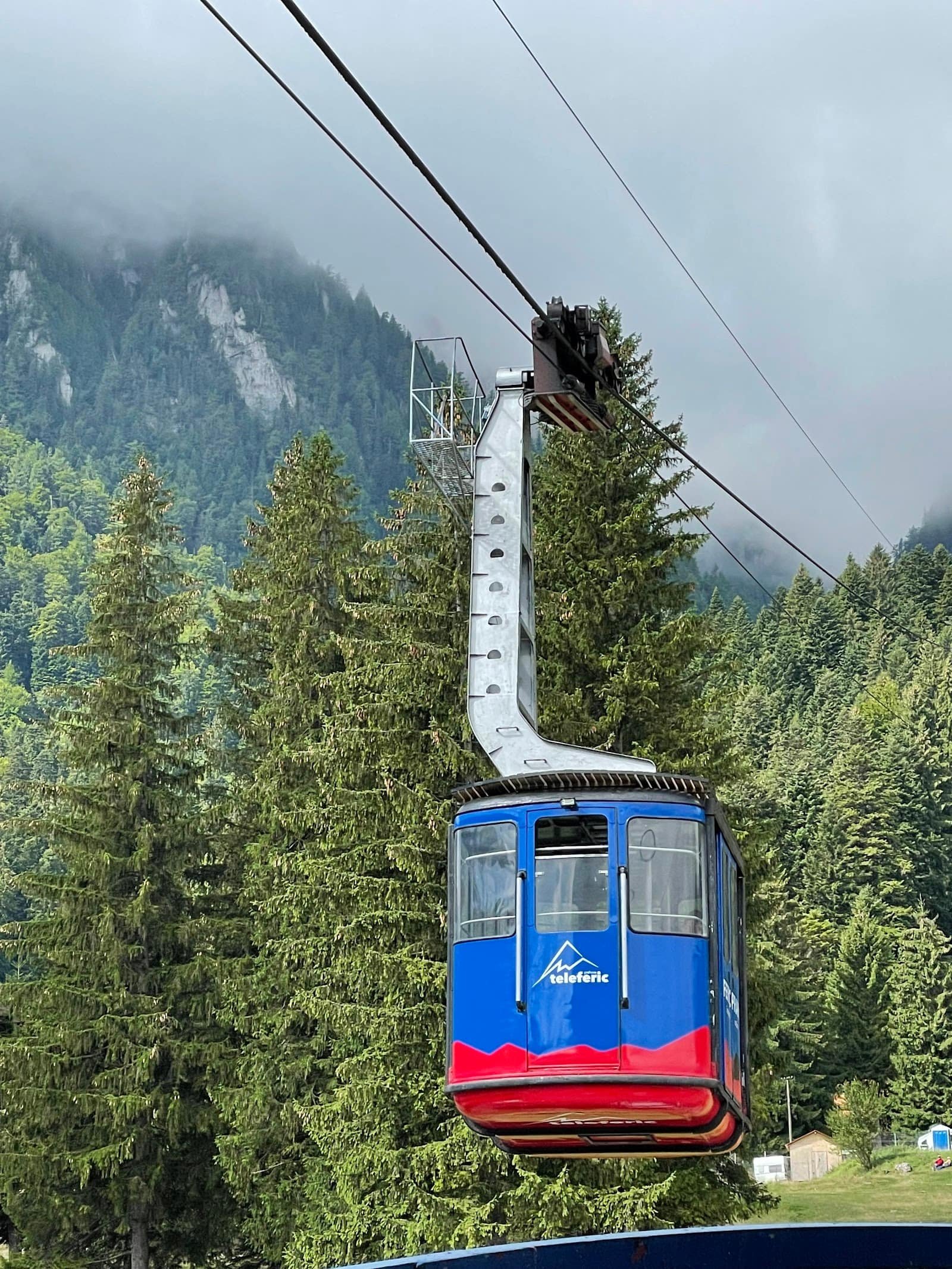
The cable car buys altitude, and altitude buys time. You arrive on top with fresh legs and the whole day available for horizontal walking rather than climbing. The Bușteni–Babele cable car drops you in the heart of the plateau, a few steps from Cabana Babele and the Sphinx. From there, the Babele–Omu path becomes a long but gentle traverse above the world.
For families with children, for tired knees, for anyone with a single day who wants the big landscape without negotiations, it is the correct choice. It is also the only option that leaves room, on the same day, for a detour to the Ialomița Cave. Its sibling in Sinaia, the cable car to Cota 2000, does the same job from the other end of the massif.
The hidden cost: you depend on machinery. Strong wind stops the lifts, so does scheduled maintenance, and timetables change from season to season. Check the operator's official schedule on the day you travel — and glance at the live cameras to see whether the plateau is in cloud or in sunshine.
What walking up does well
On foot you gain something the cable car cannot deliver: the transition. You watch beech give way to spruce, spruce to dwarf pine, dwarf pine to bare rock. The Bușteni–Jepii Mici–Babele route is the absolute classic of this flank, and the climb to the Caraiman Cross delivers one of the most photographed trail finales in the country.
You also gain quiet: an hour after setting off, the queue at the lower station is far behind. You gain real acclimatisation, and autonomy — no technical inspection can stop you.
The cost is large and honest: a long, sustained ascent with serious elevation gain and sections where the path turns technical. This is not a route for trainers, nor something to improvise after lunch. Read the hiking gear guide first.
Head to head, on concrete criteria
Effort. Cable car: close to zero, the entire physical budget stays available for the plateau. On foot: a climb that consumes, as a rough guide, half a day and most of your reserves.
Access and schedule. The lift has opening hours, limited capacity and closure days. The trail is always "open", but depends on daylight — starting at nine is already a mistake.
Crowds. On summer weekends the queue at the lower station can eat an hour, and the sector around Babele is the busiest in the massif. The trail gives you space on the way up, then returns you to the same crowd at the top.
Scenery. The cable car delivers the panorama suddenly, like a revelation. The trail delivers the gradient — and the best frames come from the flank, not from the flat plateau. The season window is similar for both, though the trail wants melted snow and dry rock.
Weather risk. This is where much is decided. Afternoon storms are the summer rule in the Bucegi Natural Park, not the exception. With the cable car you descend fast; on foot you are on an exposed flank exactly when the sky turns. Check the weather and read the mountain safety guide.
The verdict
Choose the cable car if you have a single day, you're travelling with children or parents, you want Omu Peak without a morning climb, or the forecast shows only a short good window.
Choose the walk if you are trained, you leave early, you want the route as the point in itself, and you accept that the finish is decided by the weather, not by your plan.
The hybrid is what we recommend most often: walk up in the morning, while the air is cool, and come down by cable car in the afternoon, when fatigue and clouds arrive together. You get the transition, you get the panorama, and you skip the descent that wrecks knees.
Whichever you pick: check road conditions, save the Salvamont number, and start early. The trails and the accommodation in Prahova Valley and Bucegi turn the day into a full weekend.