This decision usually gets made badly: out of habit, or out of budget. But where you sleep changes the trip — the pace, the weight on your back, the hour you set off and, sometimes, whether you get where you intended at all.
It isn't a choice between "authentic" and "comfortable", but between autonomy and infrastructure. A tent buys you freedom and sells you effort. A hut does the opposite.
What a tent does better
It picks your hour, not the other way round. You don't depend on bookings, on dinner service or on a bed still being free. You sleep where the good light finds you and set off in the morning while the ridge is still clear — an enormous advantage in summer, when instability arrives in the afternoon.
It takes you where nobody else is. The long routes in Retezat National Park take on another meaning when you can spend the night between two stages, not only at the ends.
It costs predictably. The investment is in kit, once; after that the nights stop moving your budget.
The rule many people ignore: inside protected areas, camping is allowed only in the places designated by the park administration. Check the regulations before you go, not on the ground.
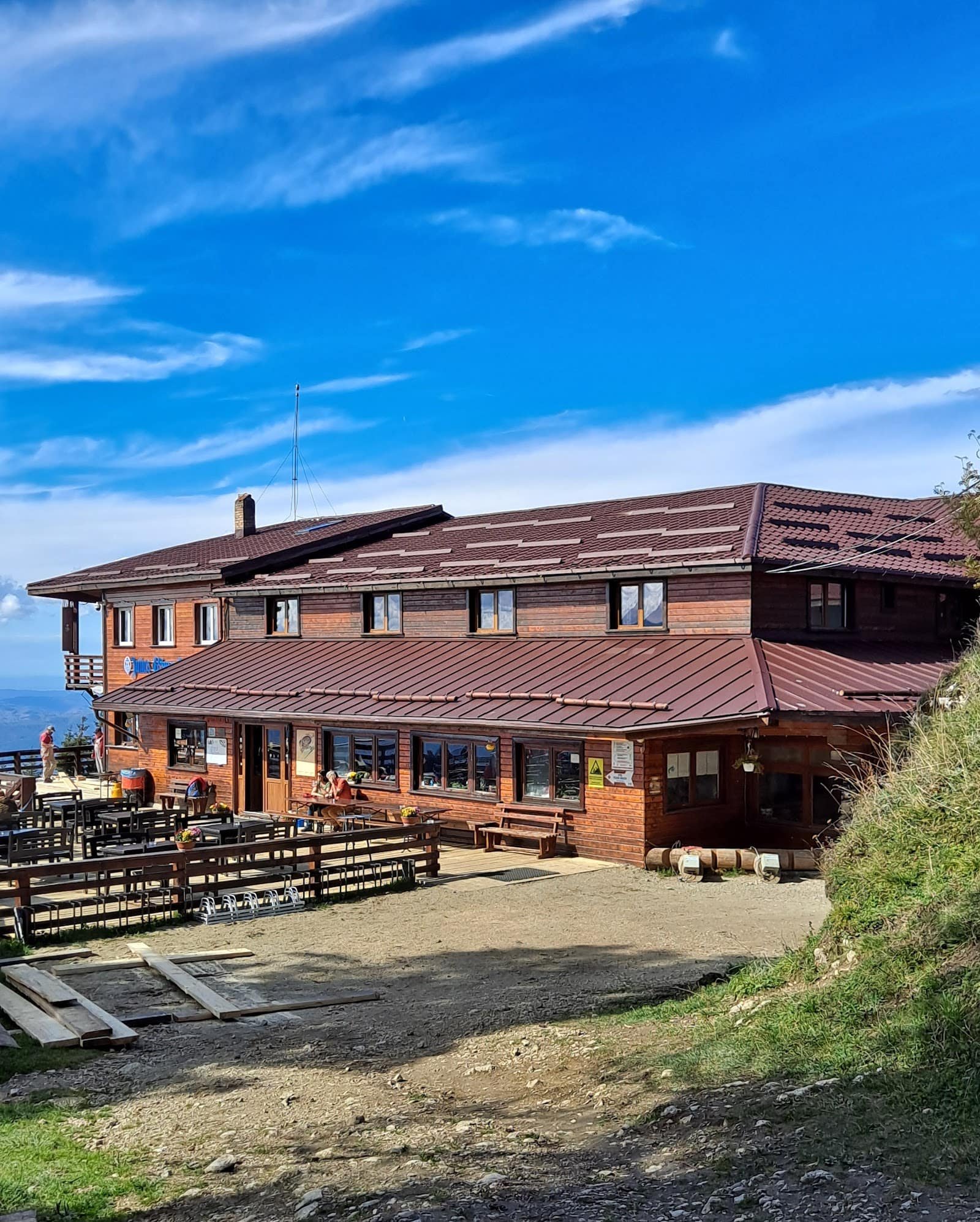
What a hut does better
It moves the weight off your shoulders. Without a tent, mat, heavy sleeping bag, stove and three days of food, the pack halves. On the Făgăraș ridge traverse, that difference isn't comfort — it's safety.
It gives you a plan B when the weather turns. Podragu, Mălăiești, Pietrele, Buta and Curmătura are, in that order, accommodation and shelter. A summer storm can pin you down for hours; in a tent on open alpine ground, those same hours feel very different.
It simplifies logistics. Water, hot food, people who know the terrain. Padiș hut is a base from which you can run three different days without moving camp.
Head to head
Weight carried. The hut wins outright — we're talking kilograms, not grams.
Flexibility. The tent wins. No fixed hours, no bookings, no overbookings.
Bad weather. The hut. A solid roof has no equivalent at altitude, and summer produces short, violent storms.
Cost. Short term, the hut is cheaper. Long term, the tent pays for itself — if you go out often.
Access and booking. Popular huts fill early in peak months. The tent has no waiting list, but it has another list: where you're actually allowed.
Beginners. The hut, no argument. Your first multi-day trip shouldn't also be your first night under canvas on alpine ground.
The honest downside
A tent demands discipline: a heavy pack, water management, choosing the pitch. And a bad night before a long day is a real risk, not a story to tell afterwards.
Huts have their limits too: crowded at peak season, shared dormitories, fixed schedules. Confirm your place before going up — a full hut at altitude is not a problem you solve in the evening.
Whichever you choose: check the weather and the webcams before setting off, look at road conditions if you're leaving the car at a trailhead, and have the Salvamont number saved. The ground rules are in the mountain safety guide.
The verdict
Choose the hut if this is your first multi-day trip, if you're doing a ridge traverse, if you have children with you, or if the forecast is unstable. It leaves you energy for walking.
Choose the tent if you already have experience, if you want routes that don't follow a hut network, if you go out often, or if you want mornings you share with nobody. A good example: the climb from Pietrele to Lake Bucura, with a night beside Bucura, in the permitted areas.
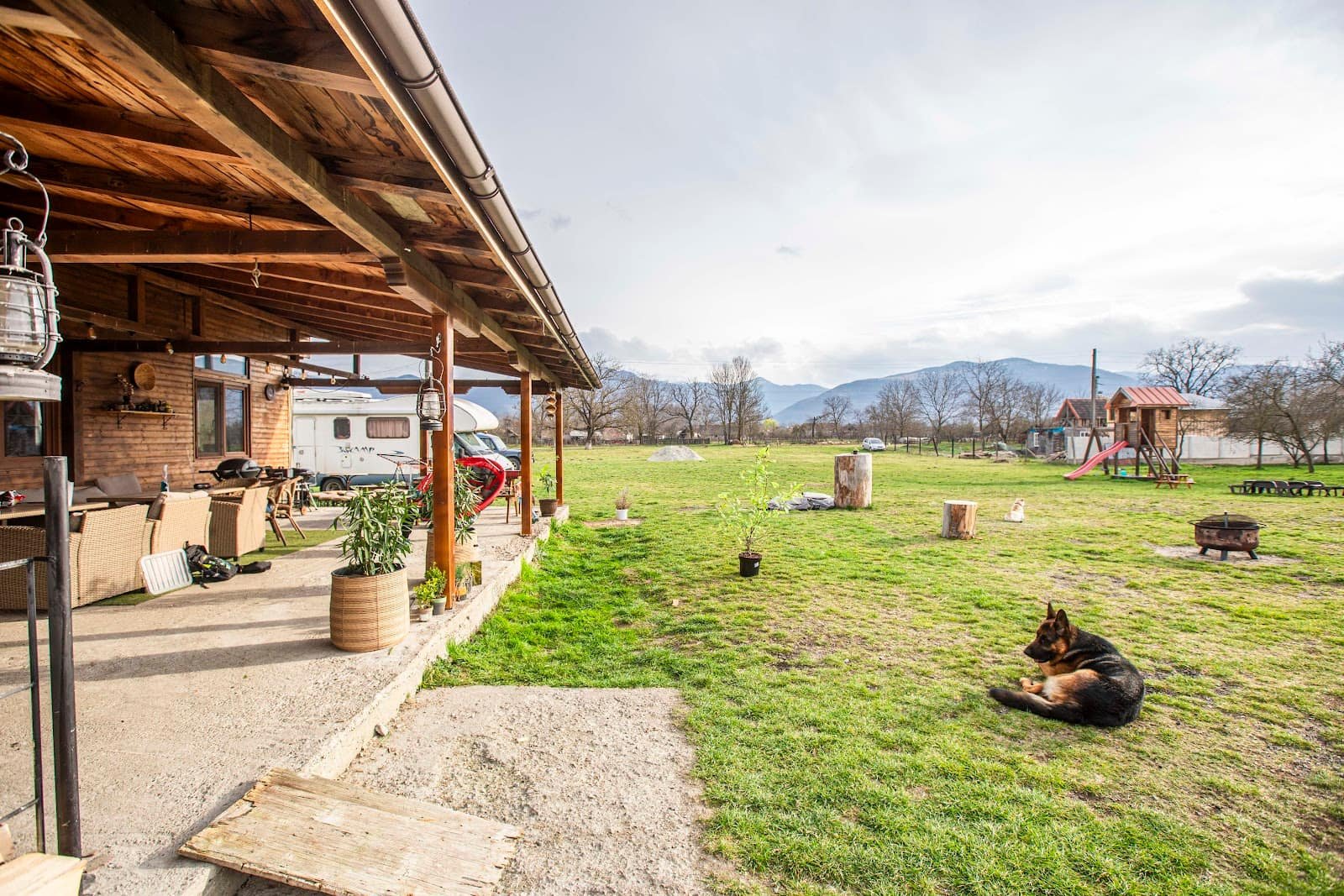
The option we recommend most often: hybrid. A hut night to start, the tent for the middle stages. See the routes that suit it and, for the night before, the guesthouses in the villages at the foot.