With children, the question isn't "where is it more beautiful" — every mountain region in Romania is beautiful. It's how much walking your family can take before the day turns into a negotiation. Depending on the answer, two different holidays emerge.
The first: mountains with easy access, where the landscape arrives by cable car, by road, or along a ten-minute path. The second: a real hike, short, waymarked, with effort and the satisfaction of having got somewhere. Mixed badly, both fail.
The "easy access" option: scenery without negotiation
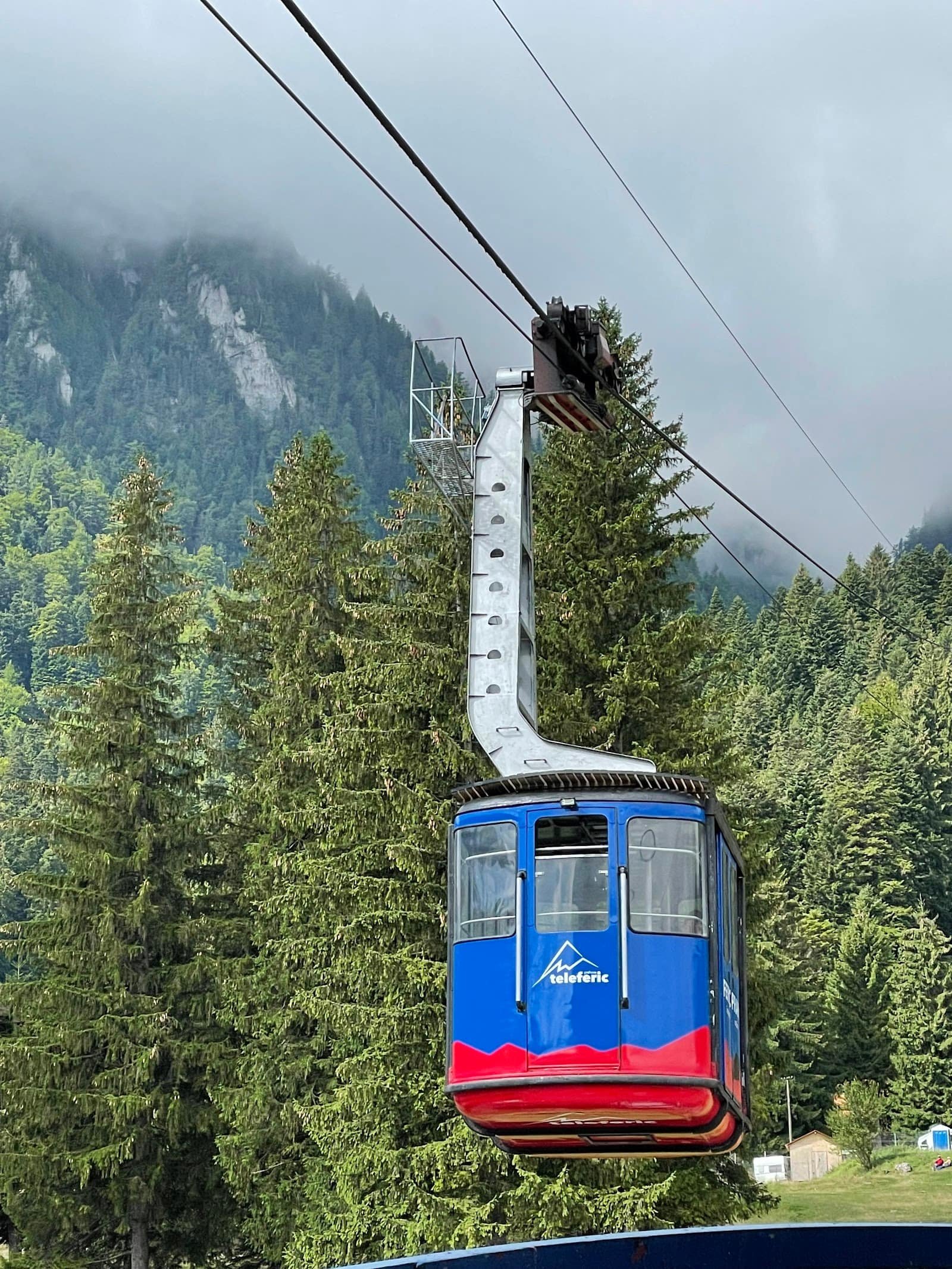
The Prahova Valley is the undisputed champion. The Bușteni–Babele cable car lifts the family straight onto the plateau: children see alpine terrain without climbing it. Nearby, Urlătoarea Waterfall is a short walk with a clear reward.
Caves work at any age: cool, spectacular and independent of the weather — Ialomița Cave in the Bucegi, Bears' Cave in the Apuseni.
In Bran – Moeciu – Fundata you combine rolling hill country with Bran Castle — an attraction that holds children's attention better than any viewpoint. And Lacu Roșu, in the Ceahlău – Bicaz area, is where you spend an afternoon doing nothing at all.
The "real hike" option: short, but genuine
If you want the holiday to leave a memory rather than only photographs, you need a waymarked route, short, with a visible objective.
Poiana Brașov is the best training ground in the country: the climb towards Postăvarul can be done on foot going up and by lift coming down, so you control exactly how much effort you ask for.
Another excellent format: Băile Tușnad – Lake Sfânta Ana, where the target is a lake in a crater — a story children remember.
The rule that makes the difference: the objective must be visible or easy to explain. A summit that is "nearly there" three times over ruins the day; a waterfall or a lake is understood instantly.
Head to head
Effort. Easy access removes the variable, hiking introduces it under control. Under five or six, the first; older than that, the second is worth trying.
Weather. Easy access has a plan B: caves, castles, museums. A hike caught in rain with small children is a lost day.
Crowds. The accessible sights are also the busy ones. Short routes, even popular ones, empty out after the first hour of climbing.
Cost. Cable cars and entry tickets add up fast for a family. Hiking is free, but demands kit.
The memory. Hiking wins outright. Children remember what they conquered, not what they looked at.
Safety. Both are safe with one rule: don't leave the waymarked route, and don't take children onto alpine ground in unstable weather.
The honest downside
The easy option carries a subtle risk: it turns the mountain into a theme park. The child associates altitude with the cable-car queue rather than with effort.
Hiking has the opposite risk — overestimation. A route that feels "easy" to you is long for small legs, especially on the descent, where the injuries happen. Plan half the distance you'd cover alone, and double the time.
The ritual is the same either way: check the weather and the webcams in the morning, look at road conditions if you have a mountain pass to drive, and save the Salvamont number. With children, an early start is the difference between descending in sunshine and descending in a storm.
The verdict
Choose easy access if you have small children, if this is their first mountain holiday, if the forecast is unstable, or if grandparents are in the group. The Prahova Valley and the Bran area are the safest bets.
Choose the real hike if the children are past six or seven, if they walk an hour without protest, and if you want the holiday to mean something. Poiana Brașov and Tușnad are the right entry points.
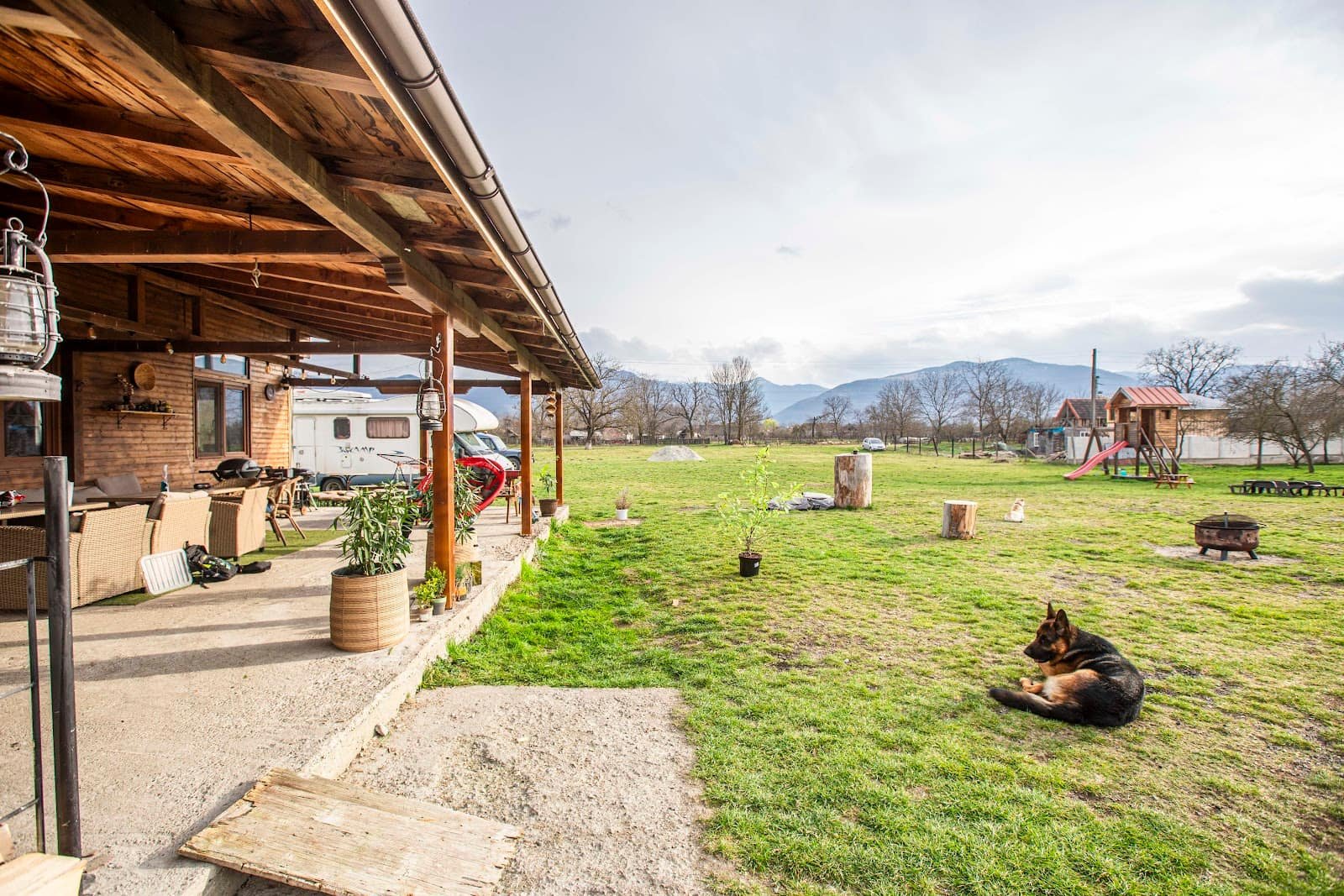
The formula that works best: one day of each, alternating — the hike early in the morning, the easy day after. Find outing ideas under experiences, and for sleeping pick a guesthouse with a garden: with children, the garden matters more than the star at reception.