You have a week of summer, a car and exactly one good day of driving at altitude. Both roads are on everyone's list. But they are two different films, and the difference isn't altitude — it's temperament.
One is a compressed spectacle, with an audience. The other is a long, quiet line drawn across the ridges.
The Transfăgărășan: dense spectacle, per square kilometre
The Transfăgărășan — officially DN7C — packs the highest concentration of "wow" per kilometre in Romania. The northern hairpins, the tunnel beneath the ridge, the suspended viaducts: it all happens in a short span.
Its centre of gravity is Lake Bâlea, a glacial lake sitting exactly in the road's saddle. From there you can walk to Lake Capra via the Capra saddle — the best short hike you can do without changing clothes. Lower down, Bâlea Waterfall is worth the stop even if you never go up.
It is also the road that gets busy: on good weekends the upper car park fills early and the hairpins turn into a queue. Plan from the complete Transfăgărășan guide, and pick your base in the Făgăraș zone.
The Transalpina: distance, space, quiet
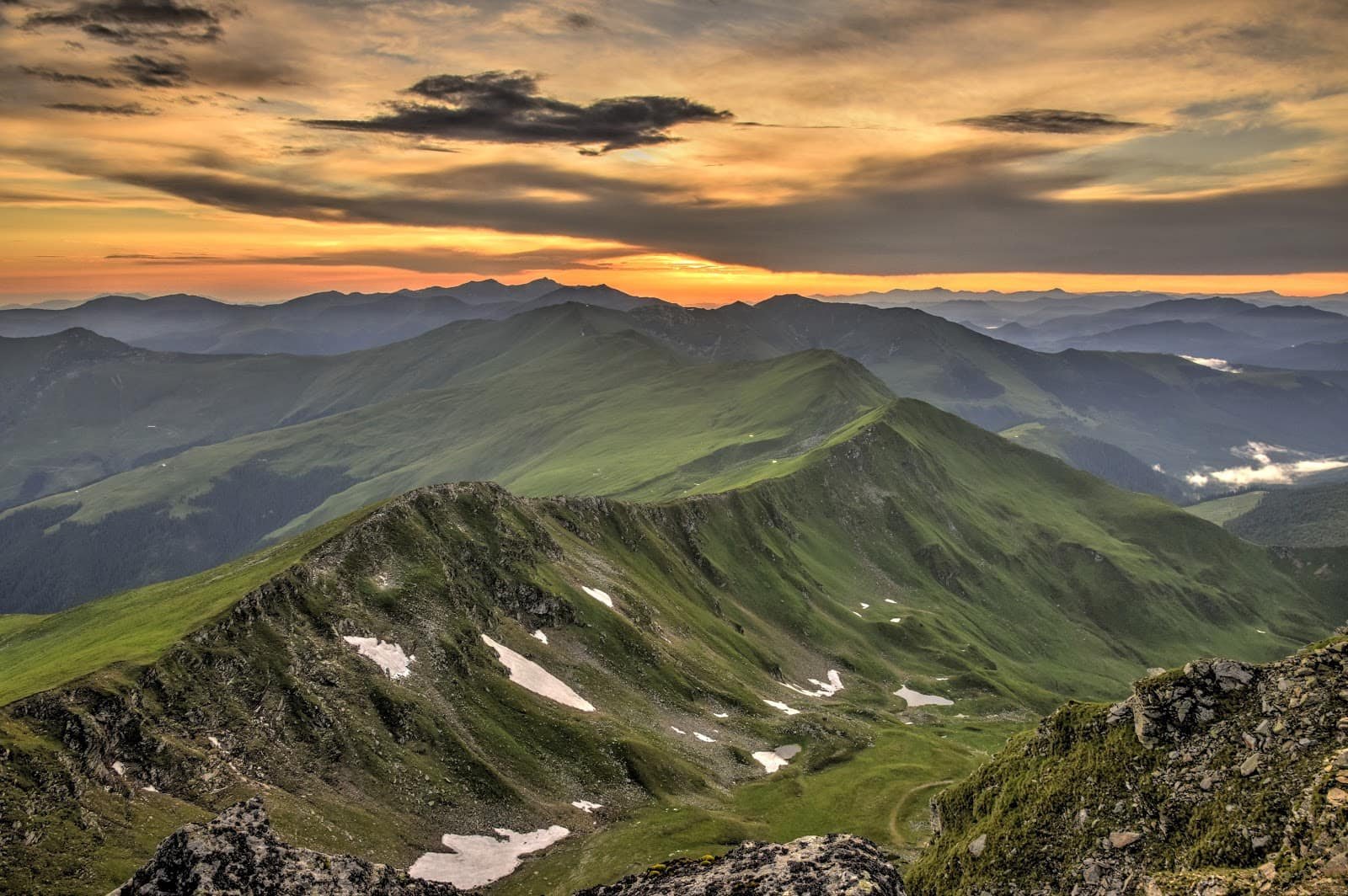
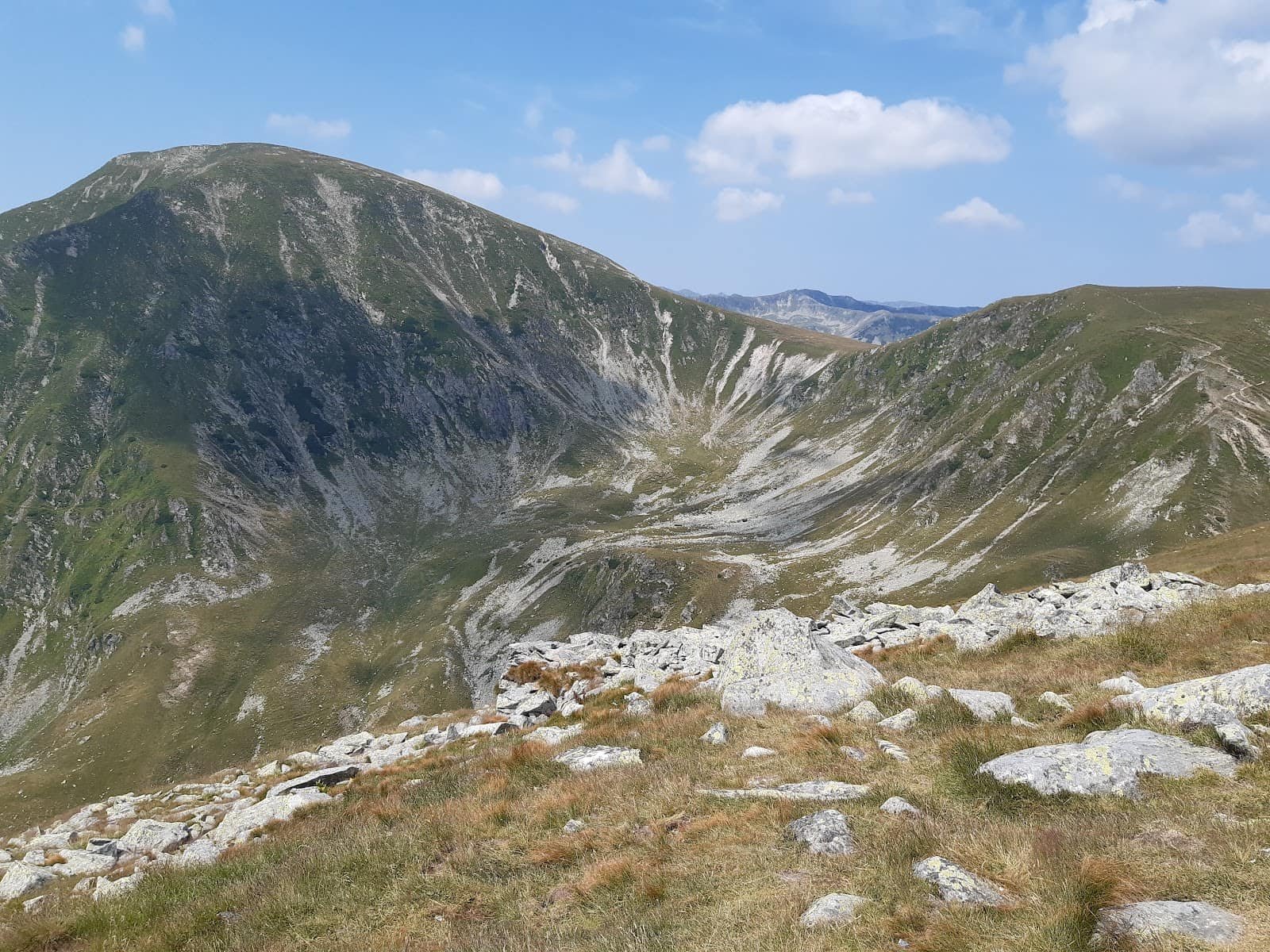
The Transalpina — DN67C — plays a different game. It is longer, more open, and spends a long time above the treeline, on bare plateaus with enormous visibility. It has no single photogenic climax; it has an entire hour of continuous landscape.
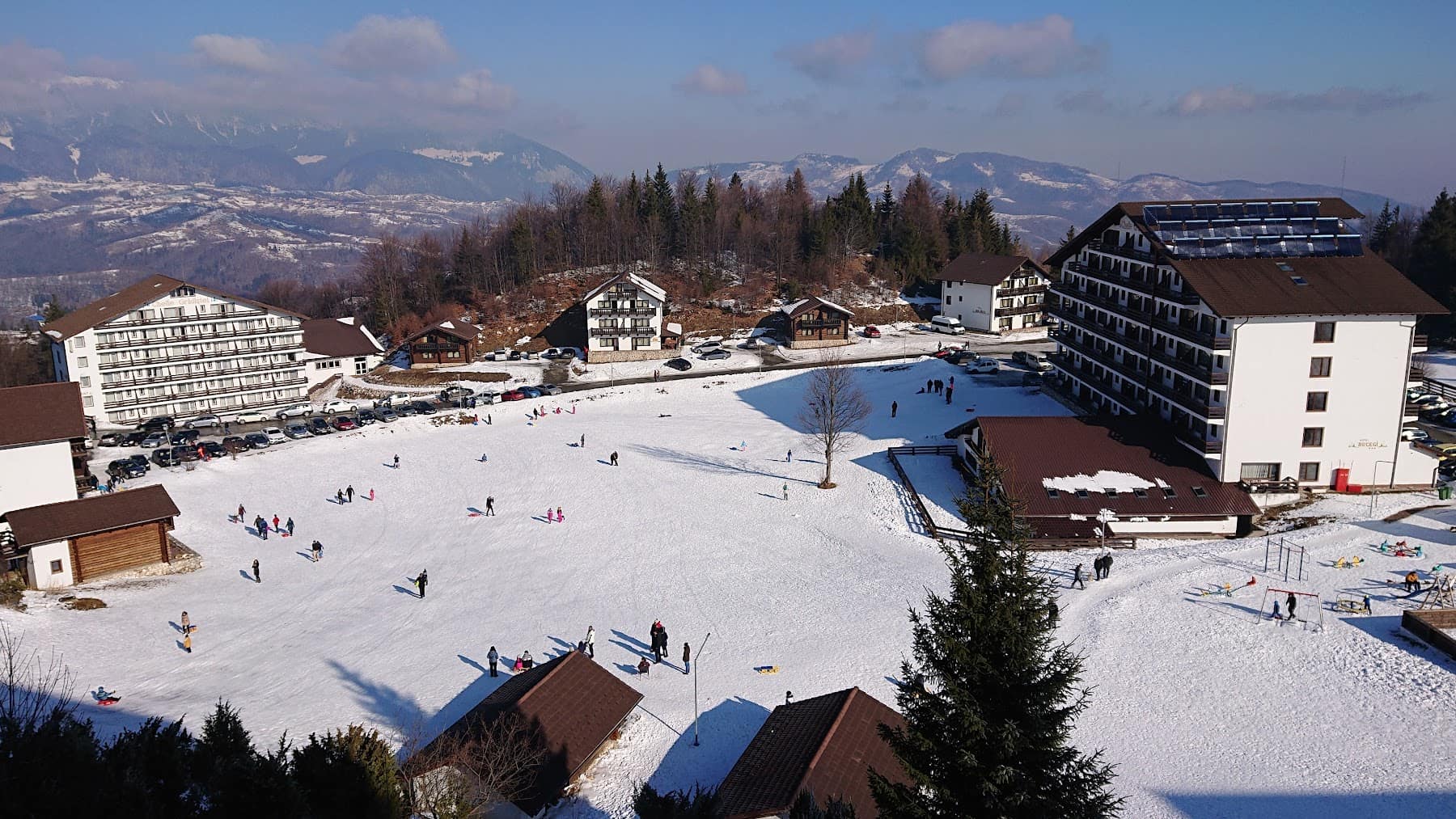
It gives you two natural bases: Rânca on the southern flank, and the Voineasa – Vidra area to the north. From Rânca starts one of the country's most direct ridge exits, towards Parângul Mare — if you want the driving day to end with a walking day. Full context is in the Transalpina guide.
Head to head
Effort at the wheel. The Transfăgărășan is technical: tight bends, fast height gain, traffic. The Transalpina is more restful — long curves, good sightlines.
Crowds. The Transfăgărășan is busier by a distance. On the Transalpina you can drive for minutes without seeing anyone, even in August.
Scenery. One gives verticality and drama, the other horizon and amplitude. This is a comparison of genre, not of quality.
Hiking from the road. The Transfăgărășan wins: from the Bâlea saddle you set off immediately. On the Transalpina, the good routes need a detour and more time.
Season window. Both have alpine sections that work roughly through the warm season and close with the first snowfalls. Check road conditions on the day you travel.
With children or nervous passengers. The Transalpina: fewer tight hairpins, more comfortable stops.
The honest downside
The Transfăgărășan pays the price of fame: at peak season you spend longer in the queue than at the viewpoint. Leave at first light and accept that the alpine section is a public place.
The Transalpina has the opposite problem: for anyone hunting a single iconic moment, it can feel like "just" a beautiful road. It needs time and one long stop on the plateau. Services are sparse — plan your fuel.
For both: check the weather and the webcams on the morning you leave — ridge fog cancels everything you planned — and keep the Salvamont number to hand if you step out of the car.
The verdict
Choose the Transfăgărășan if you have a single day, if you want the image everyone knows, and if you want the drive and a short hike to fit into the same window. It is the most efficient alpine day in Romania.
Choose the Transalpina if you have two days, if you're travelling with family, if you have passengers who don't get on with hairpins, or if you want the drive to be about space rather than spectacle.
Time for both? Do them in this order: the Transalpina as the day to breathe, the Transfăgărășan as the day for adrenaline. For the car, read the rental guide; for the nights, compare places to stay at either end.