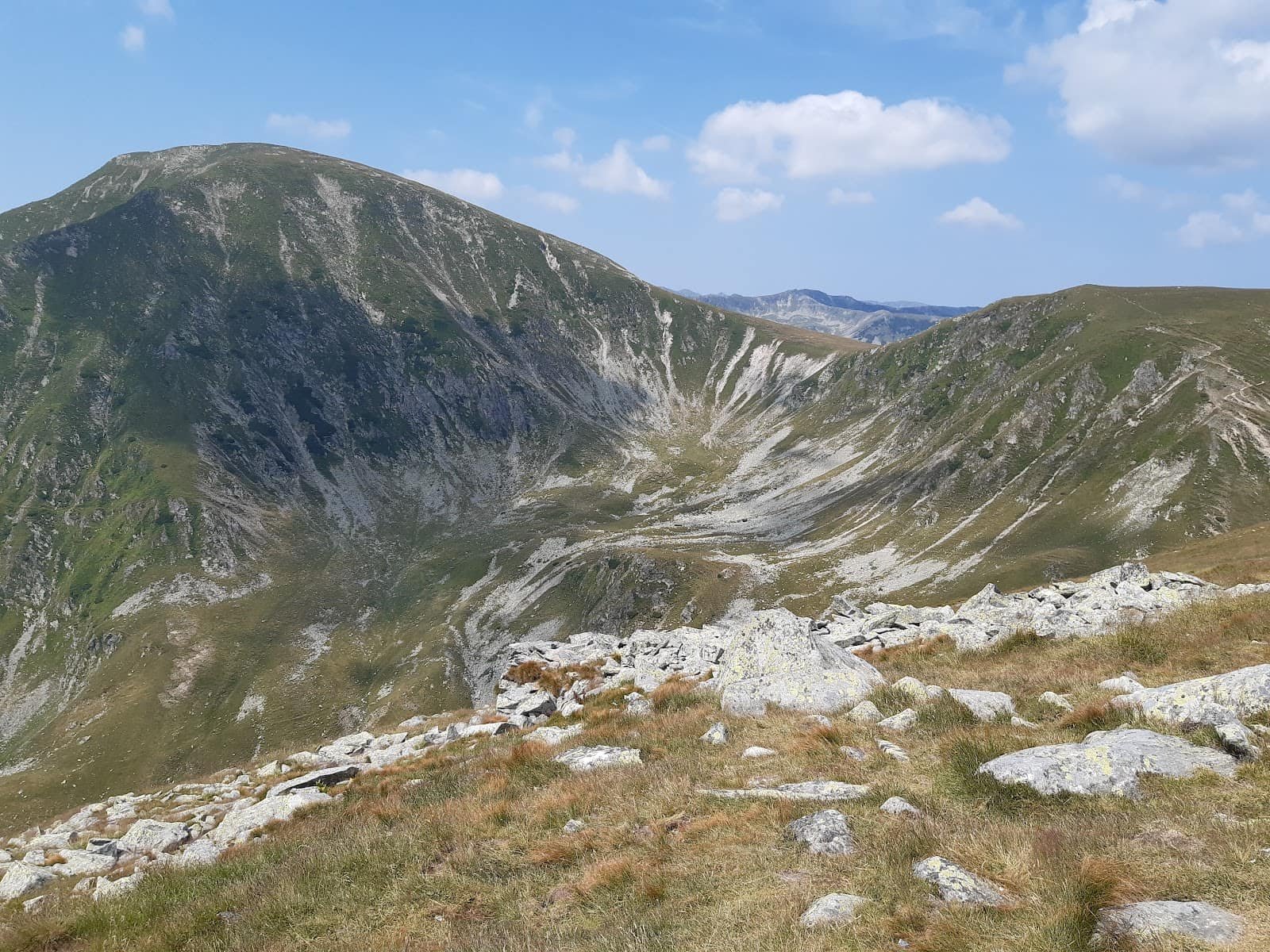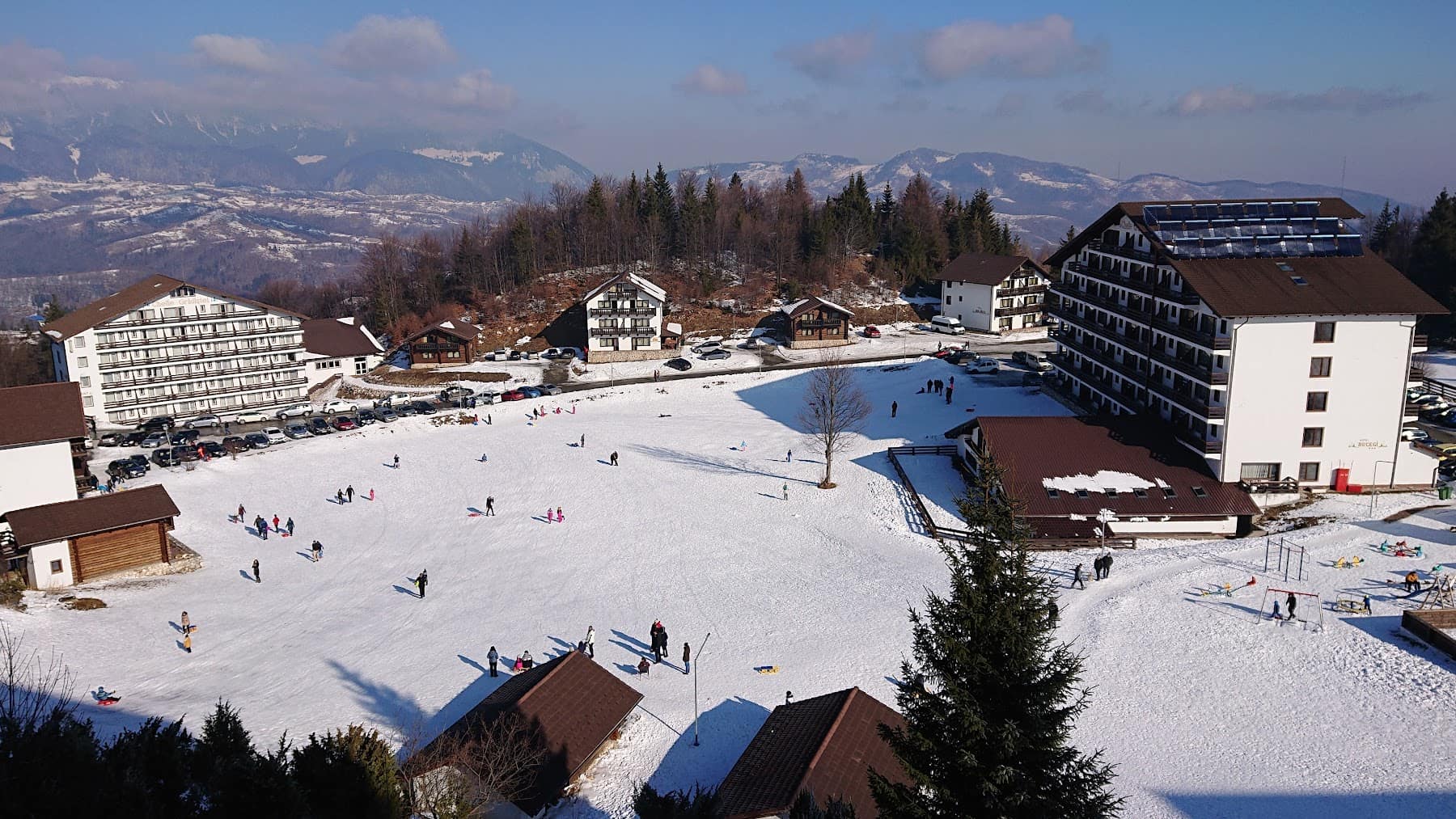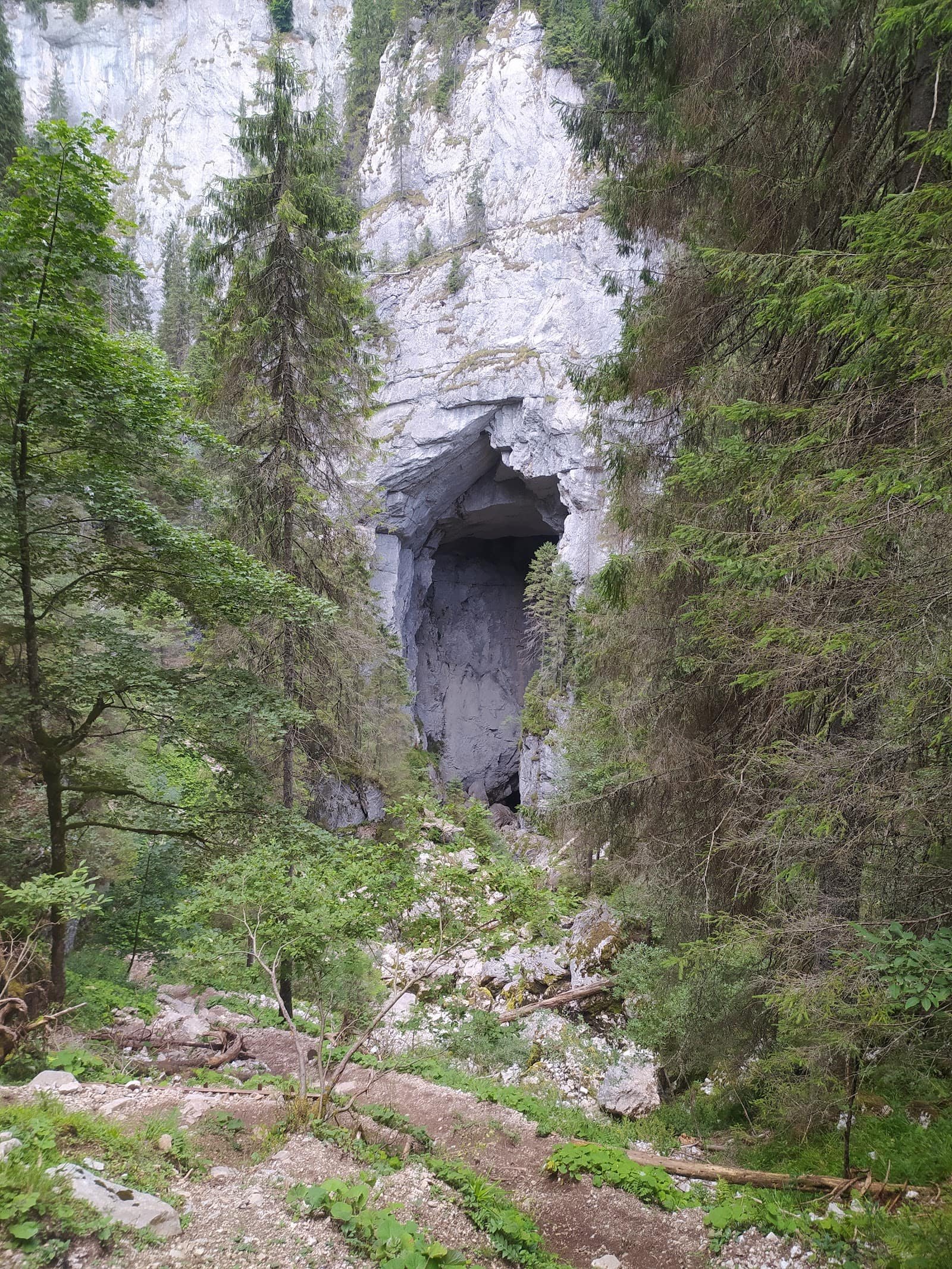
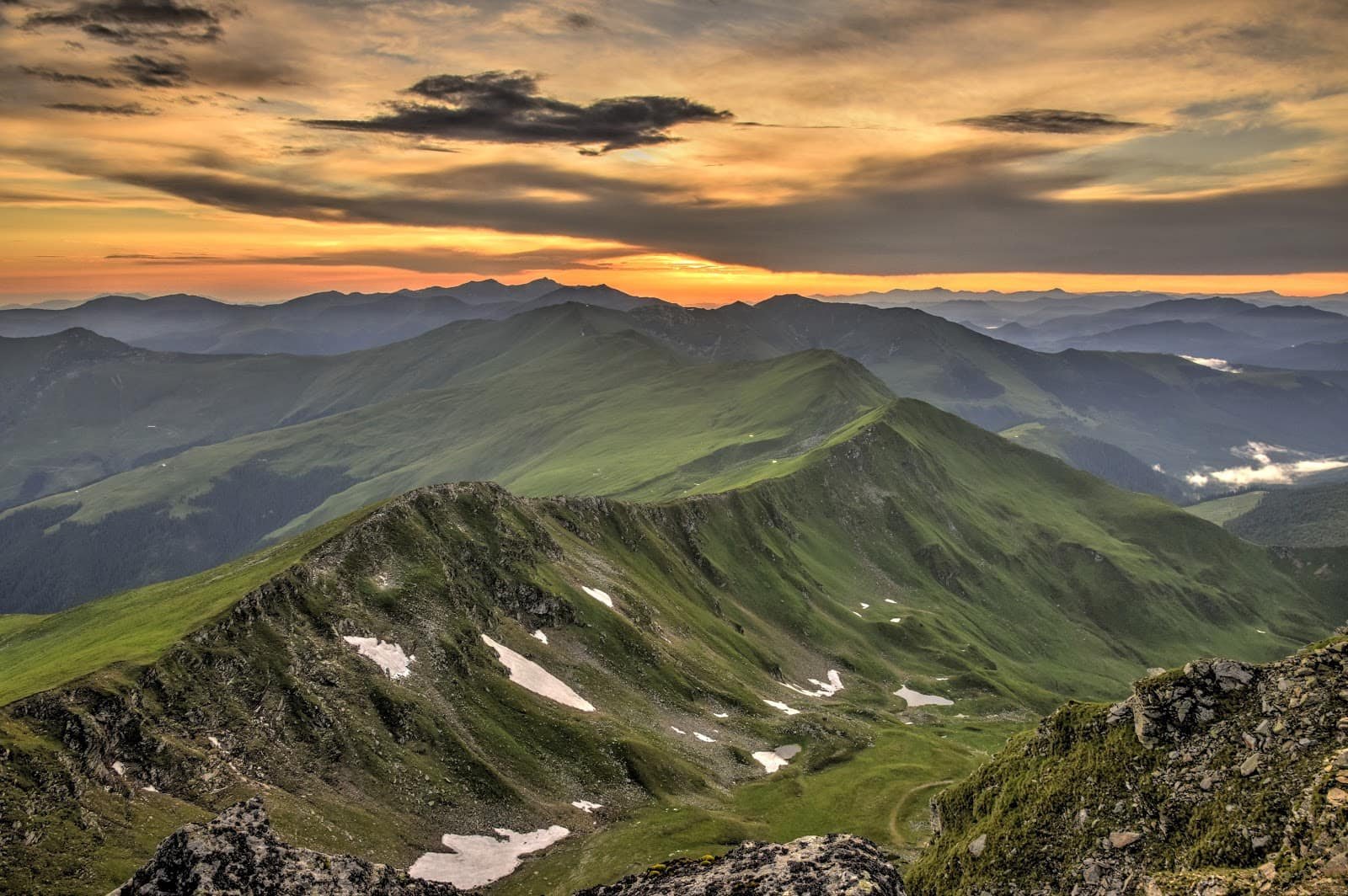
The same paths, the same massif, the same hut — and two holidays with nothing in common. July is the mountain at full capacity: long days, melted snow, alpine roads open, full huts and car parks taken by eight in the morning. September is the mountain emptying out: clean air, colours that shift weekly, paths where you walk an hour without seeing anyone — and a clock ticking towards the first snowfall.
The difference isn't temperature; it's certainty of plan versus quality of experience.
What July does well
July is the month when everything is open. High-altitude trails are clear of snow, the refuges are working, and the alpine roads — the Transfăgărășan and the Transalpina — are drivable end to end. If you want Bâlea Lake without drama, or the Bucura–Peleaga circuit in Retezat, July is the safest window. The details are in the Transfăgărășan guide, and the opening dates are announced by the road authorities, year by year.
July also gives you the longest daylight of the year. You leave at five in the morning and still have reserve at six in the evening — which changes which routes you can afford.
The cost: crowds and instability. In July and August the mountains are at peak demand, and the good huts are booked months ahead. Worse, this is the month of convective storms: clear mornings, violent afternoons, almost on a fixed timetable. Check the weather daily and the live cameras before you climb.
What September does well
September is the most underrated mountain month in Romania. The air turns clear: visibility from a ridge is nothing like July's heat haze. Afternoon storms thin out, so trail days become more predictable, even if shorter.
Everything empties: paths, huts, car parks, restaurants. Hotel and guesthouse prices drop after the first week. And September's low light turns any ridgeline into a subject.
The cost: the window is closing. It can snow at altitude, and alpine sections may close temporarily or for the whole season. Days shorten visibly, so long routes demand even earlier starts. Check road conditions before heading for Făgăraș and the Transfăgărășan or Parâng, Rânca and the Transalpina — and keep a low-altitude plan B.
Head to head
Thermal comfort. July is hot below and pleasant above, but valley heat is tiring. September is cool morning and evening, ideal for effort, but asks for an extra layer.
Alpine access. July: maximum certainty. September: very good in the first half, uncertain in the second.
Crowds. The gap is enormous and it is the main argument for September: the same path, several times fewer people.
Weather risk. July: frequent storms, but predictable in pattern. September: more stable, but with real snow risk at altitude.
Light. July wins on duration, September on quality: long routes in July, photography in September.
Price. September is cheaper almost everywhere after the first week; July pays peak-season rates.
The verdict
Choose July if you have a firm alpine objective — a ridge, a glacial lake such as Bucura Lake, a high road — and you cannot afford a closed pass to cancel your holiday. July is also right when you travel with school-age children.
Choose September if you can be flexible, if crowds spoil your pleasure, if you want better prices, or if you go to the mountains for quiet and light. For a couple with no calendar constraints, September beats July outright.
Our favourite compromise: the first half of September. The alpine roads are still open, the post-season quiet has already arrived, and the walking conditions are the best of the year. If you can choose freely, that's the optimum.
Whichever month: read the seasonal guide, save the Salvamont number, and keep a free day for the thermal baths or guided experiences as a bad-weather alternative.