Glacial lakes are the strongest argument Romanian summer has: cold, motionless water sitting in cirques carved by ice. Two massifs dominate the subject, and between them there is no beauty contest — there is a difference of access.
In one, the lakes come to you. In the other, you go to them. That, really, is the whole decision.
Retezat: density
Retezat is where glacial lakes stop being an exception and become the landscape itself. Retezat National Park holds dozens of these eyes of water, and their density changes how you walk: you don't climb "to a lake", you enter a zone where they appear one after another.
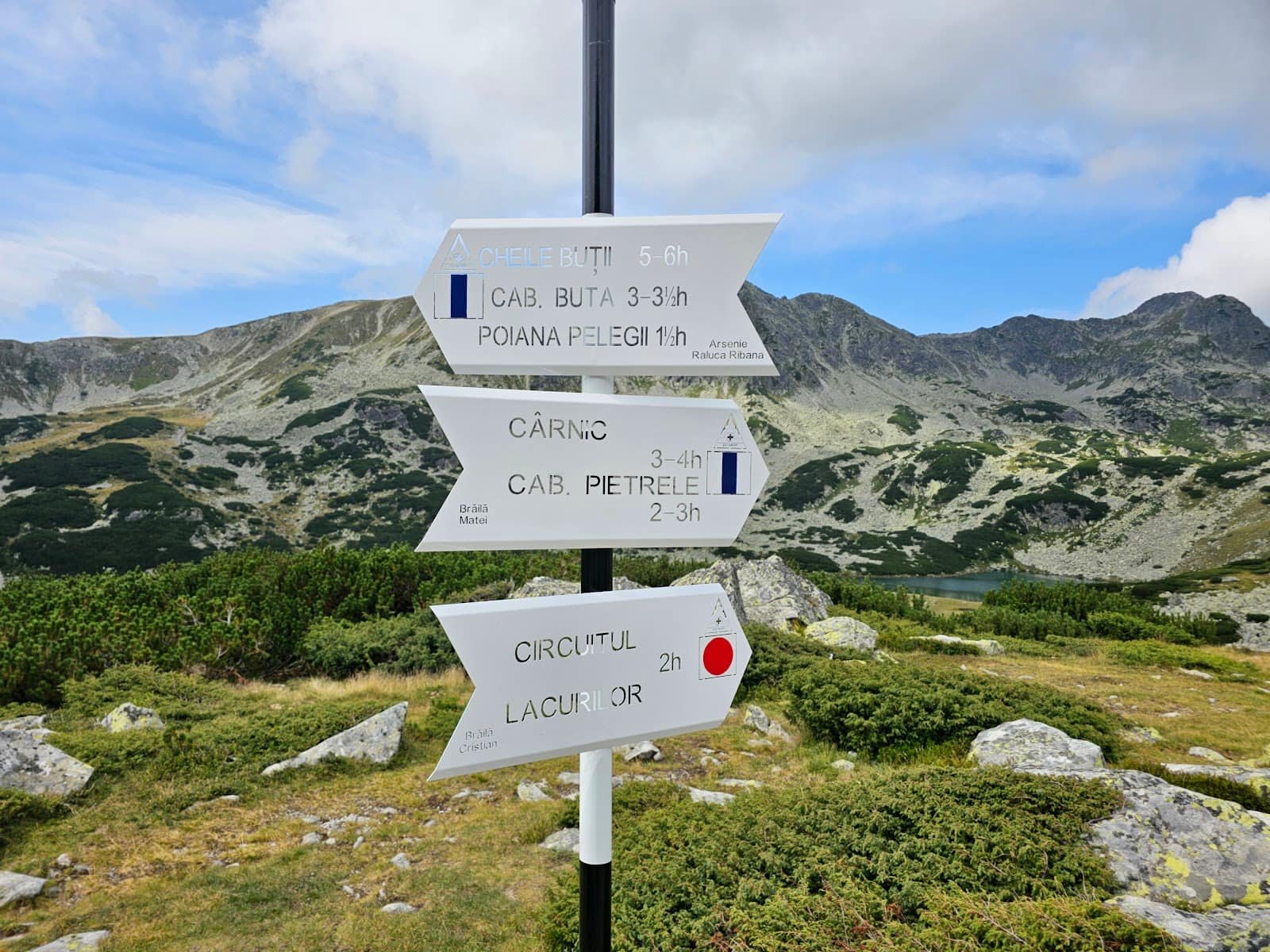
The centrepiece is Lake Bucura, the largest glacial lake in Romania, set in a wide cirque beneath the ridge. The classic route climbs from Pietrele hut to Bucura; from there, the route to Peleaga links the shore to the massif's highest peak in an excellent summer day.
On the southern flank, Buta hut opens a quieter entrance, and Lake Zănoaga — among the deepest in the country — is worth the detour precisely because not everyone sees it.
The price of that density: you cannot drive there. Retezat asks for a day of climbing before the first reward.
Făgăraș: accessibility
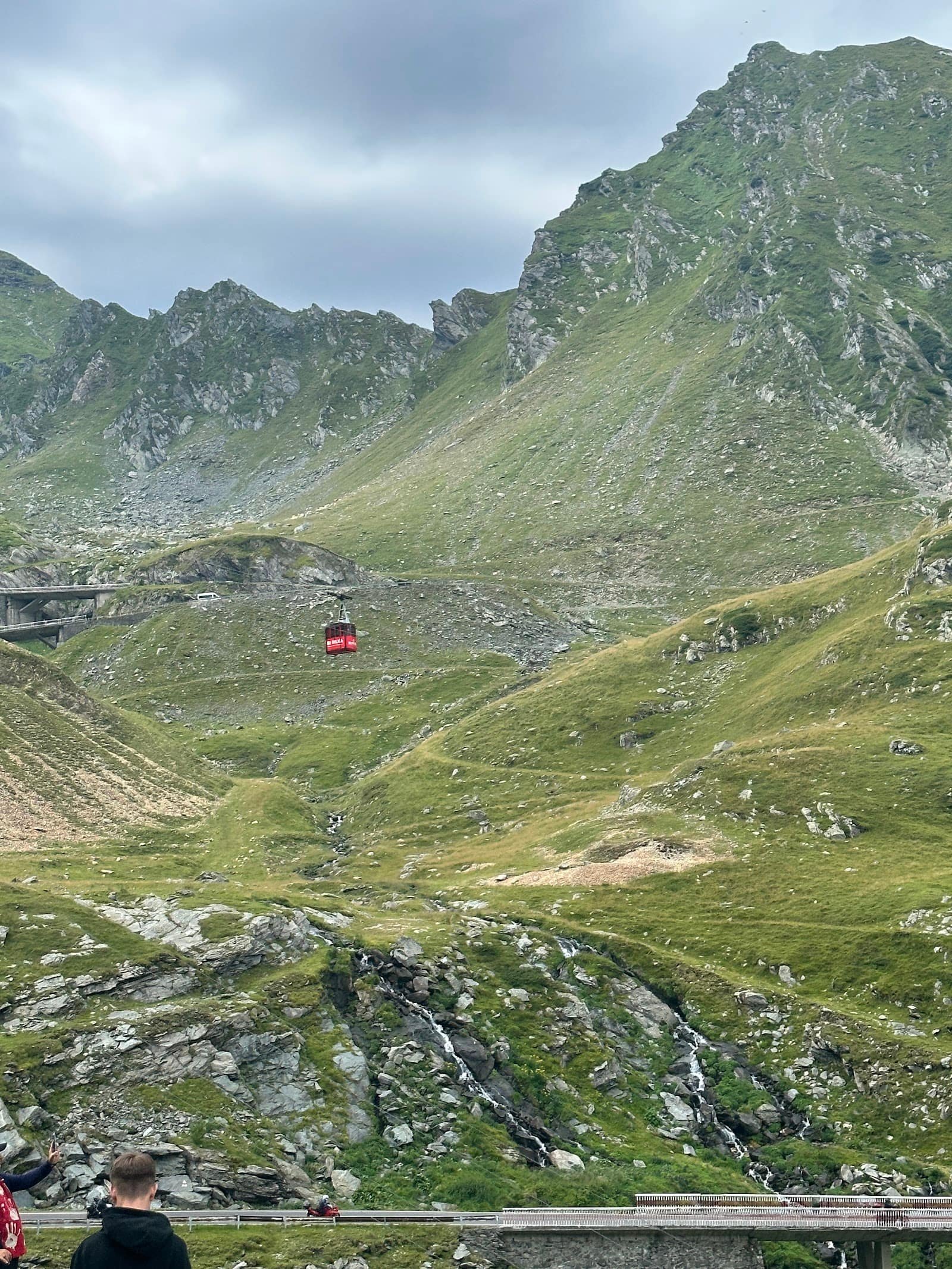
The Făgăraș zone solves the opposite problem. Lake Bâlea is a glacial lake you reach practically from the car, because the Transfăgărășan runs through the saddle it sits in — an almost unique case in Romania.
From there, one short hike gives you a second lake: the crossing to Lake Capra via the Capra saddle is a gentle outing with big scenery and a safe return — the best possible introduction for anyone who hasn't yet built mountain legs.
The rest of the Făgăraș lakes are serious business: they demand climbing, time and a good weather day.
Head to head
Effort. Făgăraș wins on access, Retezat on reward. Bâlea is visited; Bucura is earned.
Density. Retezat, no contest. A single circuit can show you more lakes than a week elsewhere.
Crowds. Bâlea is among the most visited alpine spots in the country. Retezat's cirques filter visitors naturally, through effort.
Season. Both work roughly through the warm months. In Făgăraș, access depends on a high-altitude road that opens and closes with the snow — check road conditions on the day you travel.
With children. Făgăraș, clearly. Bâlea is the only option where children see a glacial lake without a full day's walk.
Photography. Retezat for composition — ridge, water, dwarf pine. Făgăraș for instant drama and evening light in the saddle.
The honest downside
Retezat demands commitment. It is not an improvised weekend: a day of climbing, accommodation planned in advance, and strict camping rules that exist for good reason — visitor pressure on the lakeshores is real.
Făgăraș has the problem of success. At peak season Bâlea is a public place, with a full car park and commerce at the water's edge. And accessibility creates a dangerous illusion: plenty of people set off for the ridge in city clothes, without registering that they have entered alpine terrain.
For both: check the weather and the webcams on the morning of the walk — fog in the cirque cancels everything you planned — and save the Salvamont number before you leave.
The verdict
Choose Făgăraș if you have one day, if you're travelling with children or parents, if you want the image without heavy effort, or if this is your first encounter with a lake at altitude.
Choose Retezat if you have two or three days, if you can carry a proper pack, and if you want the lakes to be the experience rather than the objective. Nowhere else in Romania holds so much glacial water in so little ground.
The practical advice: do Bâlea one summer to see what this is about, then reserve your next holiday for Retezat. The reverse order ruins Bâlea for you. Check places to stay in the villages at the foot well in advance.