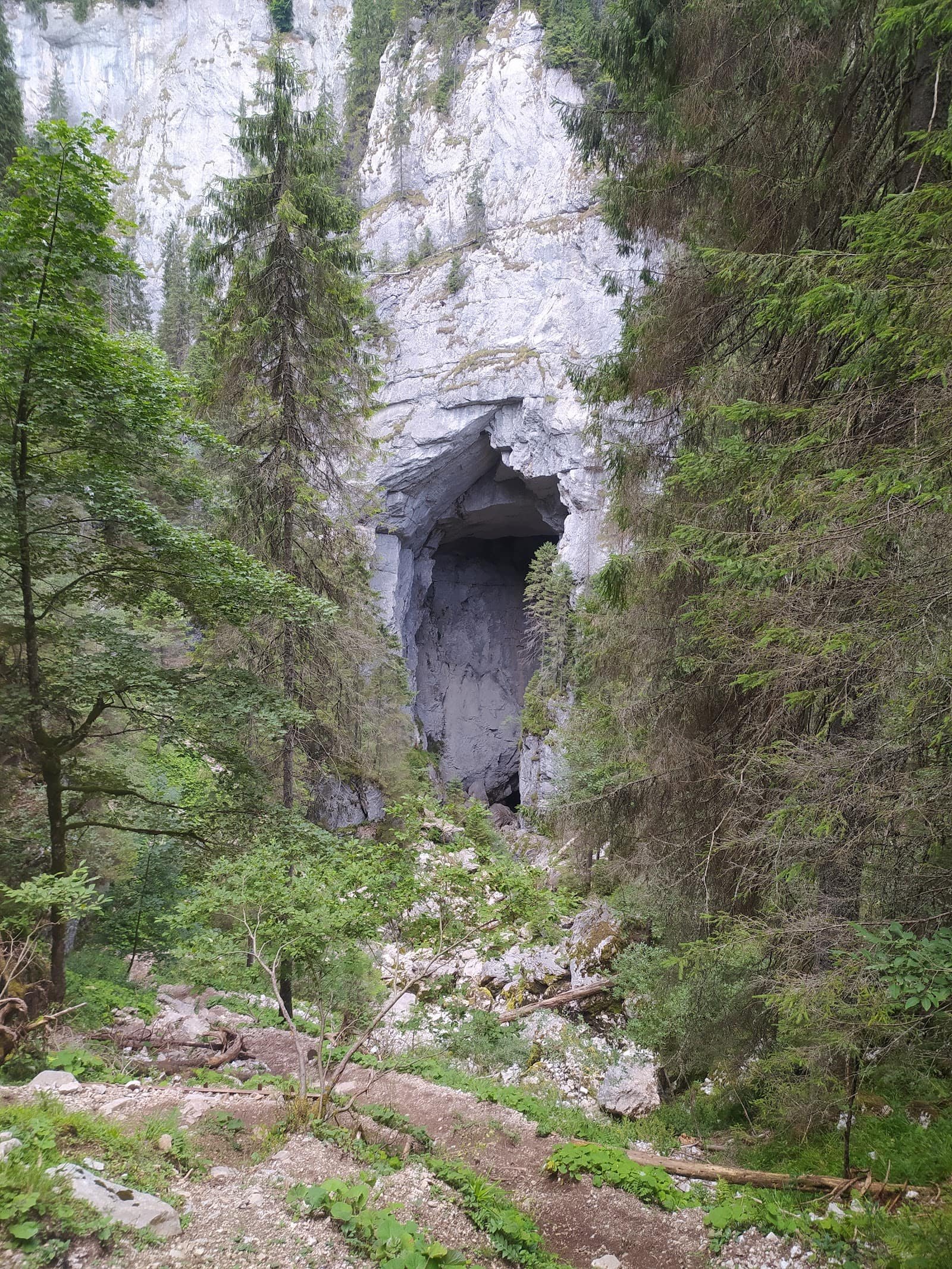
The Retezat is the massif where Romania looks least like the rest of Romania. No cable car, no village two hours' walk away. Instead a high granite plateau carved by glaciers, with dozens of glacial lakes sitting in cirques and long valleys that keep you busy for hours between them. Lake Bucura is the largest glacial lake in Romania — that is a certainty, not guide folklore — and practically all the logistics of the massif gather around it.
This is a massif for walkers who already have a few outings behind them and who understand what being far from a road means. It is not technically hard — the classic routes involve no climbing — but it is tiring through distance and isolated by nature. Retezat National Park imposes strict camping rules, and the scientific reserve is closed to access. The routes in the Retezat zone share a common denominator: you go in one day and come out the next, or you accept a serious pace.
How to read the difficulty grades
Our four grades describe commitment, not tiredness.
Easy — good path, clear waymarking, modest ascent, no exposure. Good for beginners and school-age children.
Moderate — decent fitness and sustained climbing, often for hours. The path stays obvious, but the ground is stony, with scree and sections where you use your hands.
Hard — a long day, a lot of ascent, serious ground. Early start, time in reserve, the right kit, a plan B.
Expert — ridge and exposed passages, difficult navigation, experience and equipment mandatory.
The figures below are indicative: an average walker, in good weather, with a day pack. In the Retezat two things inflate them consistently — the boulder fields, which slow people far more than they expect, and a multi-day pack. Check the forecast on the morning of your walk and treat every estimate as a starting point, not a promise.
The routes, one by one
Cabana Pietrele – Lake Bucura — moderate
About 7 km, around 210 minutes, roughly +700 m (indicative). This is the access route par excellence: you start from Cabana Pietrele, climb through forest, come out into the alpine zone and cross towards the Bucura cirque. The first part is a pleasant valley path with water. The second changes character completely: boulders, granite slabs, a broken rhythm. Those 700 metres do not look spectacular on paper, but the three and a half indicative hours easily become four with breaks and a heavy pack. Suitable for anyone with reasonable fitness and proper footwear; not suitable as a first-ever hike or as an improvised afternoon outing.
Lake Bucura – Vârful Peleaga — moderate
About 5 km, around 120 minutes, roughly +470 m (indicative). The classic ascent of Vârful Peleaga, usually done as a morning outing from camp at Bucura. Clean alpine ground, with scree and granite blocks on the upper section — nothing technical, but not terrain to run on either. Our firm recommendation: climb early and be down before midday. There is no shelter up there, and the ridge attracts storms as readily as any other major Carpathian summit. Not suitable in thick fog unless you can navigate in open alpine terrain.
Seasonality
The good window is summer and early autumn, roughly July to September: the path is free of snow, the huts operate and the days are long enough for the distances here.
In June, and sometimes into early July, snow patches persist in the northern cirques and in the gullies towards Peleaga. They do not look big from below, but a slope of hard snow, in ordinary boots, is exactly the terrain where long slides happen. Without crampons and an ice axe, go around them.
In late autumn the problem is not the cold but the light: Retezat distances take hours, and darkness catches you in boulder fields. In winter the high routes stop being hiking and become mountaineering — strong wind on the plateau, changeable visibility, avalanche risk in the cirques, huts hard to reach. For choosing the month, see when to go to the mountains, season by season.
Access, huts and logistics
The Retezat has two main gateways, and the choice between them shapes the whole trip. From the north you enter through Nucșoara, on a mountain road towards Pietrele — access by ordinary car has limits, and the last stretch is gravel. From the south, through Câmpu lui Neag, you reach Cabana Buta, the quieter approach. Check road conditions on the roads page: in the Retezat a closed road does not cost you an hour, it costs you a day.
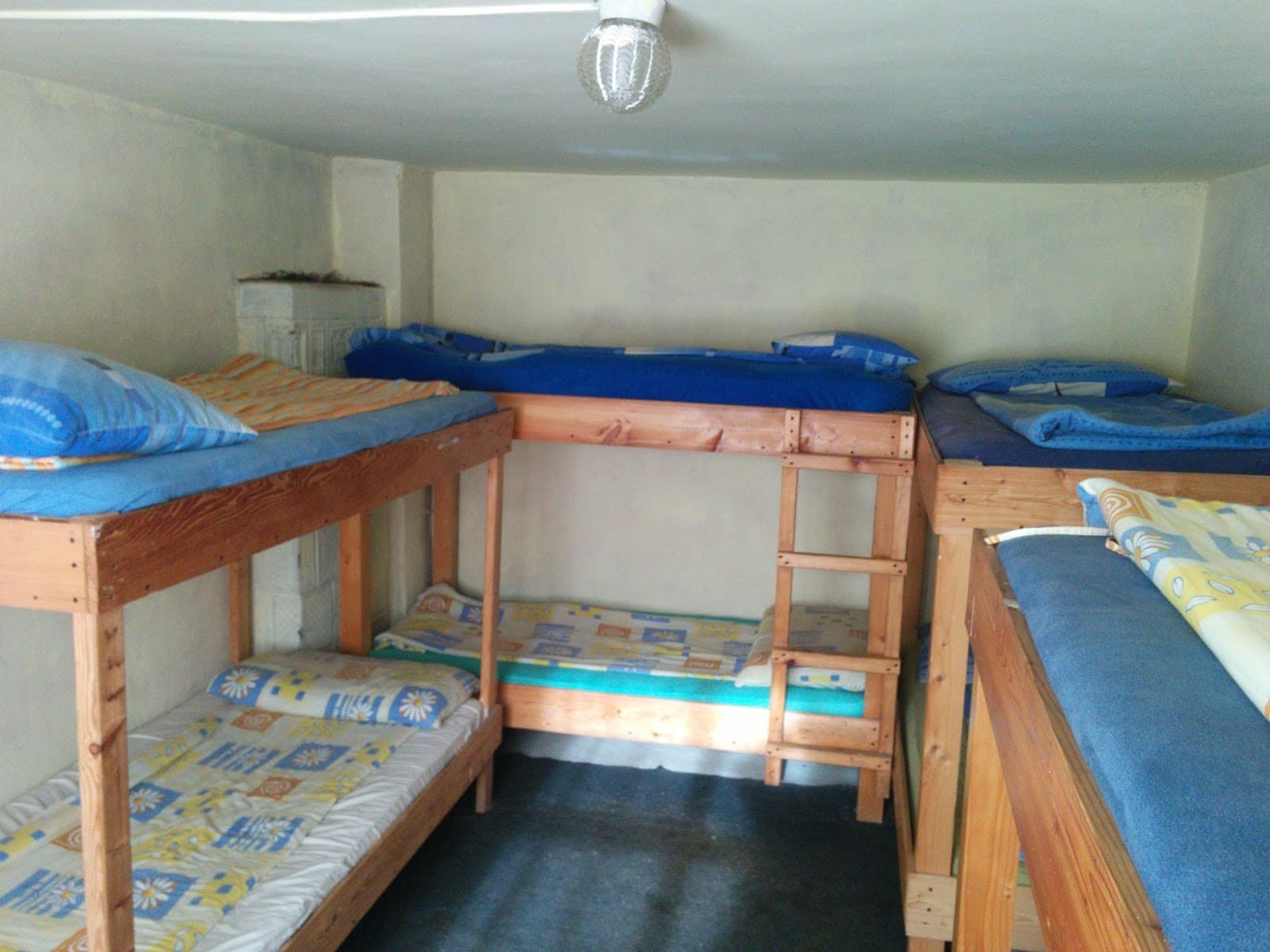
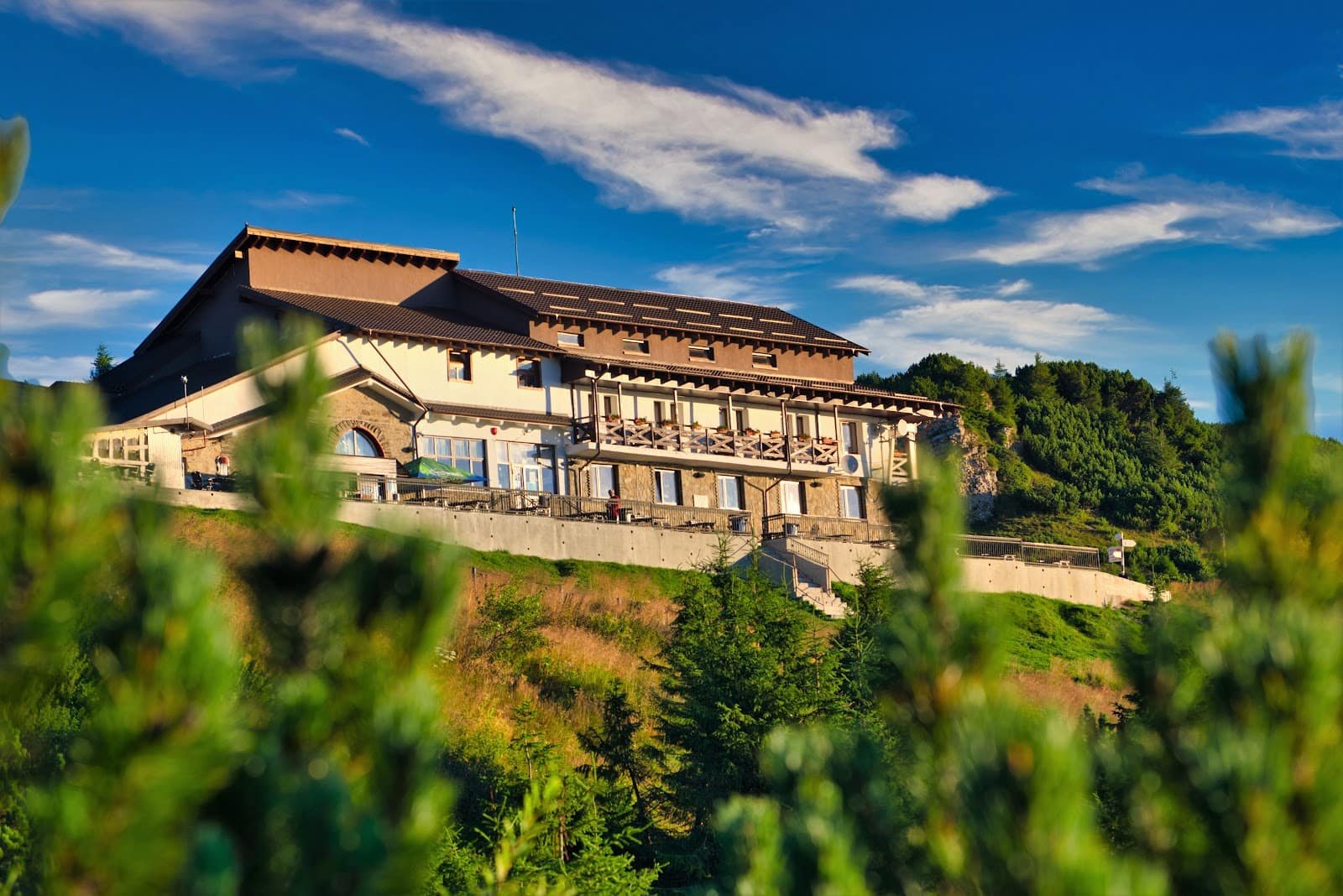
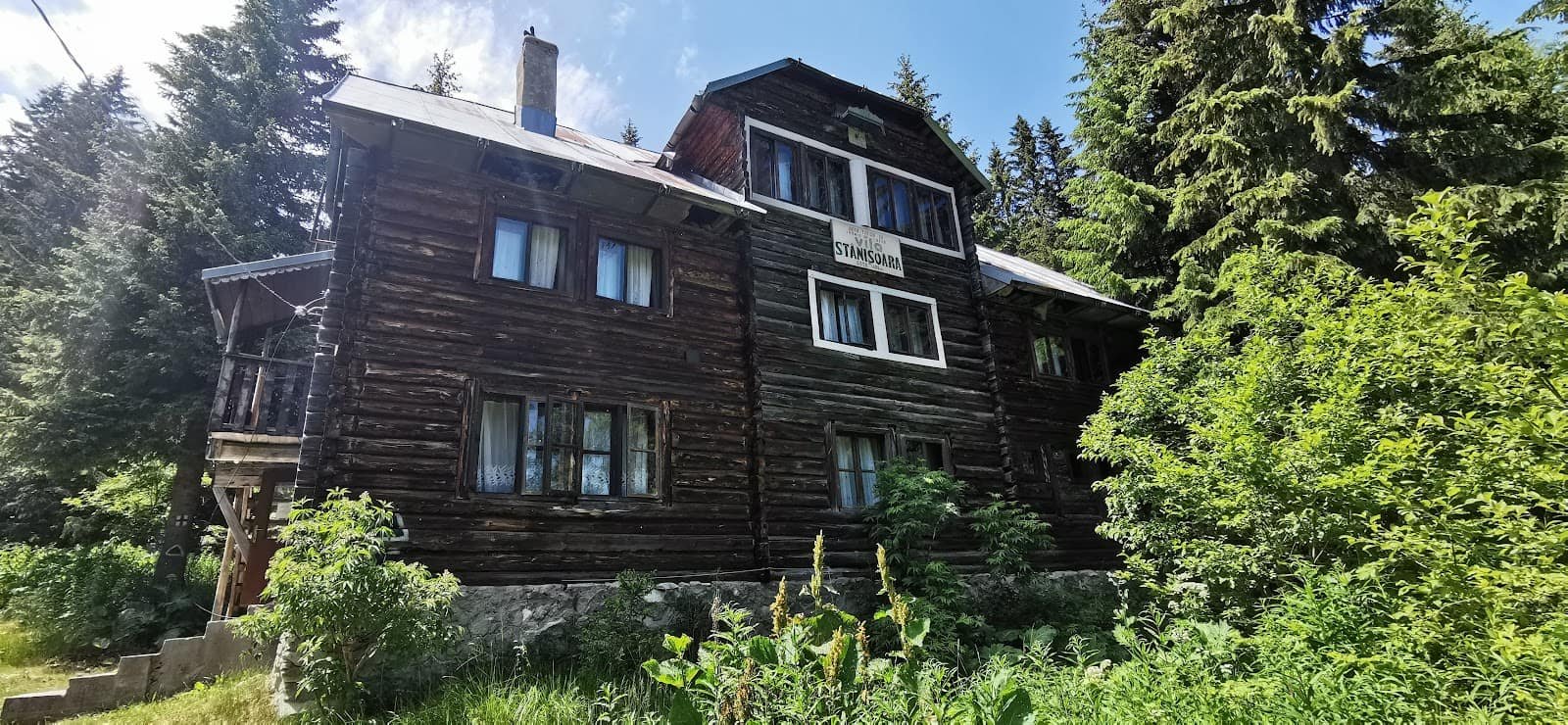
Accommodation inside the massif is limited and must be planned. Pietrele and Buta are the anchors; camping is allowed only in the areas designated by the park administration, and Bucura has one such perimeter, crowded in August. At the foot you will find guesthouses in the access villages and the wider accommodation offer around Hațeg and Petroșani. If you want to see the western part of the plateau too, Lake Zănoaga deserves a separate day. For groups without multi-day experience, a mountain guide solves both navigation and pacing: see experiences.
Safety
The Retezat does not punish you for exposed passages, it punishes you for distance. Most problems arise when people underestimate how long getting out takes: if you are injured at Bucura, you are not twenty minutes from the car.
Concretely: start early, carry water and food beyond what you need, stiff soles for the boulders, a wind and rain layer, a headtorch without exception. GSM coverage is weak or absent in the valleys — save the Salvamont number in advance and leave your plan with someone. The cameras on webcam and the forecast together give a more honest picture than either alone.
The massif has a bear population; do not leave food in the tent and do not camp outside permitted areas. And accept that turning back is a normal decision: if you are well over the indicative times, go down. Details in the equipment guide and in safety and weather in the mountains.
Frequently asked questions
Can I see Bucura in a single day?
You can, but it means a long day: about three and a half hours up (indicative) plus the descent, with no margin for weather. The sane version is a night in the massif, which also buys you a quiet morning for Peleaga.
Do I need a tent?
It depends on the plan. For day walks, no. For any unhurried Bucura–Peleaga combination, yes — or a reserved bed at a hut, and places are few in August.
How hard is Peleaga compared with the access route?
It is shorter and has less ascent, but it happens in open alpine terrain with no shelter. The difficulty comes not from the effort but from exposure to weather and from the boulders up top.
Can these routes be done with children?
Both routes here are moderate, not easy. With fit teenagers, yes. With small children we do not recommend it — distance, boulder fields and the lack of bail-out points are the arguments.
What do I do if a storm arrives while I am high up?
You descend towards the cirque immediately, without waiting for it to pass. Do not shelter under isolated blocks. You will find the rest of the options on the trails hub and on attractions; for a comparison with another major summit approached from a hut, look at Cabana Podragu – Moldoveanu in the Făgăraș.