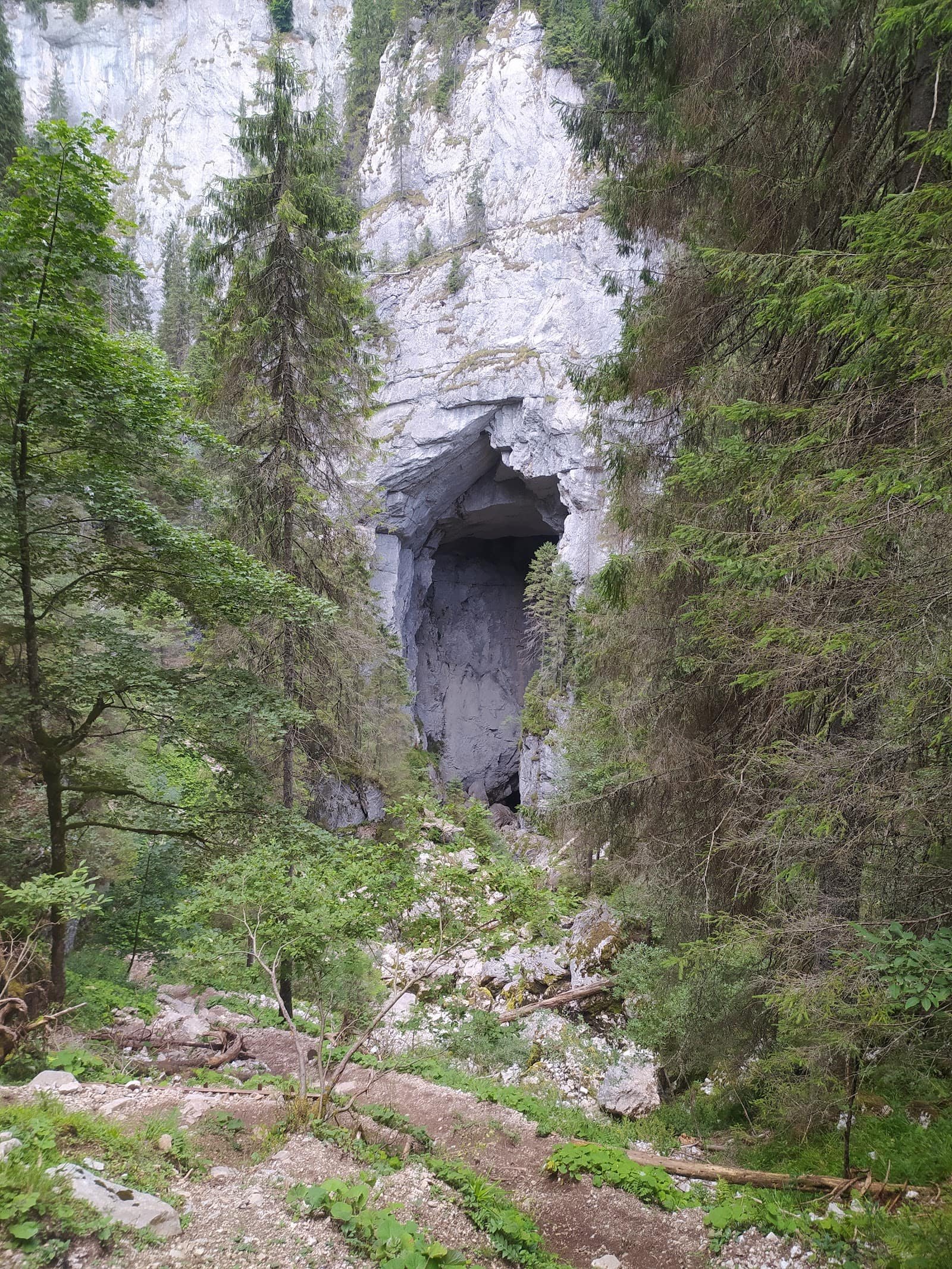
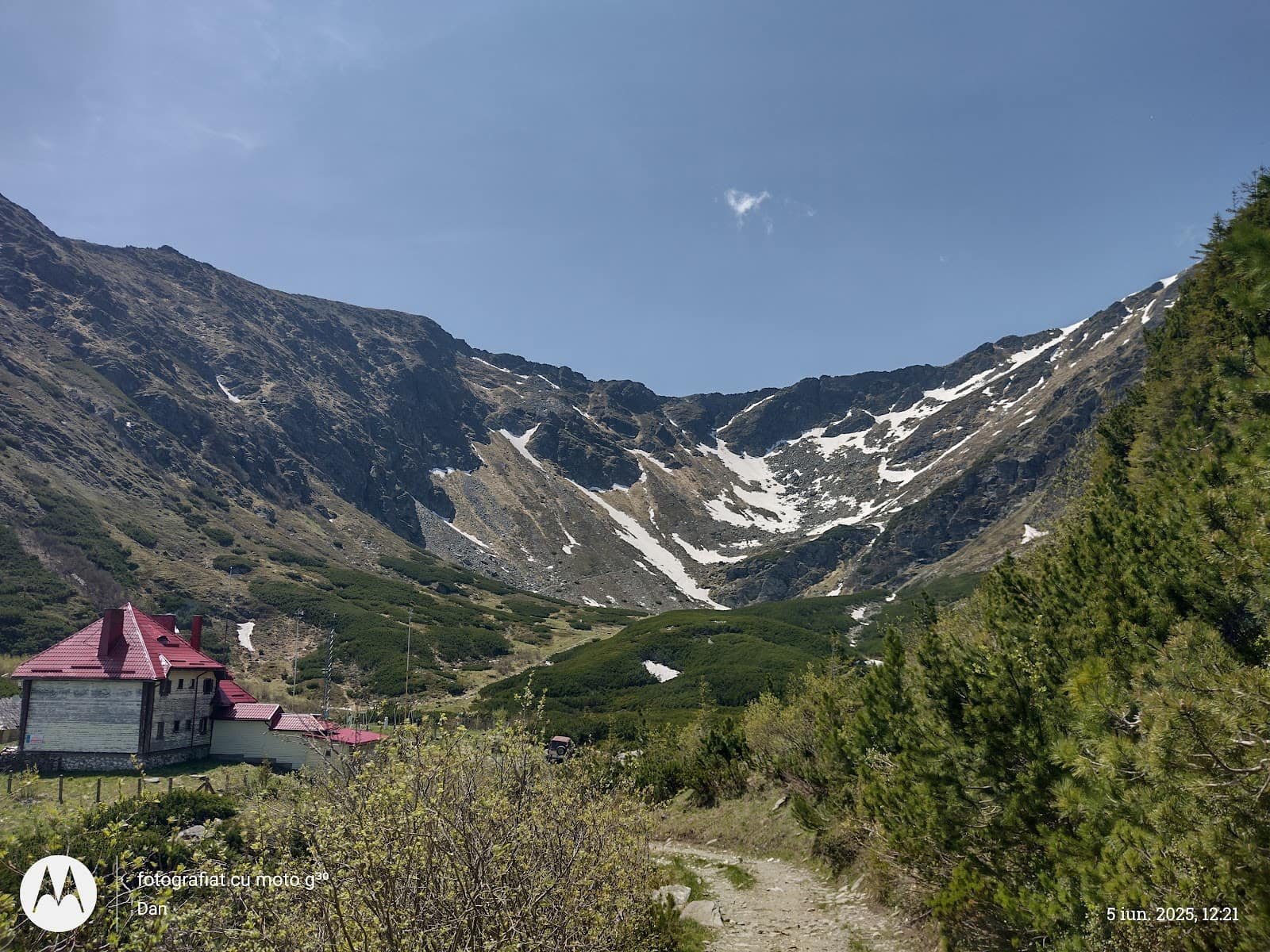
The Rodnei Mountains are the most serious massif in the Eastern Carpathians and they behave like it. This is where Pietrosul Rodnei stands, the highest peak of the Eastern Carpathians — a fact, not a marketing line. Below it the relief is glacial: cirques, moraines, long slopes that climb without letting you breathe. Above the treeline there is no shelter, and the weather changes fast from the north. It's a massif with two faces: families walking an hour to a waterfall, and fit hikers spending a whole day on a single summit. The full area is at Maramureș – Rodnei, the protected-area context at Rodnei Mountains National Park.
What defines the massif is the vertical: not long technical ridges, but direct climbs of hundreds of metres, on stony path and then on alpine grass. Anyone who underestimates that only realises it halfway up.
How to read the difficulty grades
Four grades, describing real effort.
Easy — good path or forest road, small elevation gain, no passages that need your hands. Fine for children and beginners.
Moderate — decent fitness and sustained climbing, a few hours of walking on ground that is rough in places. Not technical, but tiring.
Hard — a long day, big elevation gain, serious terrain; you start early and you don't improvise your kit.
Expert — ridgeline, exposed passages, demanding navigation; experience and equipment are mandatory.
Our published figures are indicative: they describe a steady pace on dry ground. Rain, fog, a mixed group or a heavy pack easily add 30–50% to the time. Where we don't have a measured distance, we say so plainly instead of inventing a number. Check the weather and road conditions at roads.
The trails, one by one
Borșa resort – Horses' Waterfall
The Horses' Waterfall trail is graded easy: around 90 minutes and roughly +250 m, indicative. The distance is unknown to us, so we don't invent it.
It's the most accessible sight in the massif and an excellent morning out. You climb from the resort area on road and path, through forest, up to the rocky amphitheatre where the water drops in steps — Horses' Waterfall is what brings most people to the Rodnei. The gain is small but constant, and the last stretch turns muddy after rain. Anyone wanting to shorten the climb can use the Borșa gondola; operating hours vary, so check first.
Suited to families, children and days with uncertain weather. Unsuitable only for anyone expecting tarmac.
Borșa – Pietrosul Rodnei summit
Borșa – Pietrosul Rodnei is hard: around 300 minutes and roughly +1200 m of ascent, indicative. The distance is unknown to us. Those 1200 metres are the number that matters: this is a full mountain day, not an afternoon outing.
You climb from Borșa through forest, then break out above the treeline and continue on stony path towards Pietrosul Rodnei. The effort is continuous, with few flat sections to recover on. Up high the terrain is open: alpine grass, boulders, glacial cirques below you and zero shelter. This is where it goes wrong most often — people set off late, climb in good weather and meet the change in the afternoon, when wind, fog or a storm turns a hike into a serious problem. The descent, over the same 1200 metres, wrecks knees and eats more time than most people budget for.
Suited to fit hikers used to long days. Not suited to beginners, to small children, or to anyone setting off after 9 in the morning.
The massif has more to offer: long links across the alpine zone, side valleys, sights scattered towards historic Maramureș. The rest is in the trail catalogue and the attractions list. For a day of comparable scale, look at Bucura – Peleaga in the Retezat.
Seasonality
The good window for the alpine zone is summer and early autumn: the snow has gone, the days are long. In spring, snow patches linger high up, and the ground under them is wet and unstable. In autumn, daylight itself becomes a constraint on Pietrosul.
In winter, Pietrosul stops being a hike. Under snow it becomes winter mountaineering: navigation on featureless terrain, avalanche risk on loaded slopes, specific experience and equipment. It is not a route to improvise. The waterfall stays feasible for more of the year, though the path ices up there too. Anyone wanting snow without the risk has the pistes at Borșa or, further west, Cavnic.
Access, huts and logistics
Borșa is the trailhead for both routes and the logical base for any stay in the Rodnei. Access is along the road linking Maramureș to Bucovina, over the pass to the north — exposed, difficult in winter, so check it beforehand.
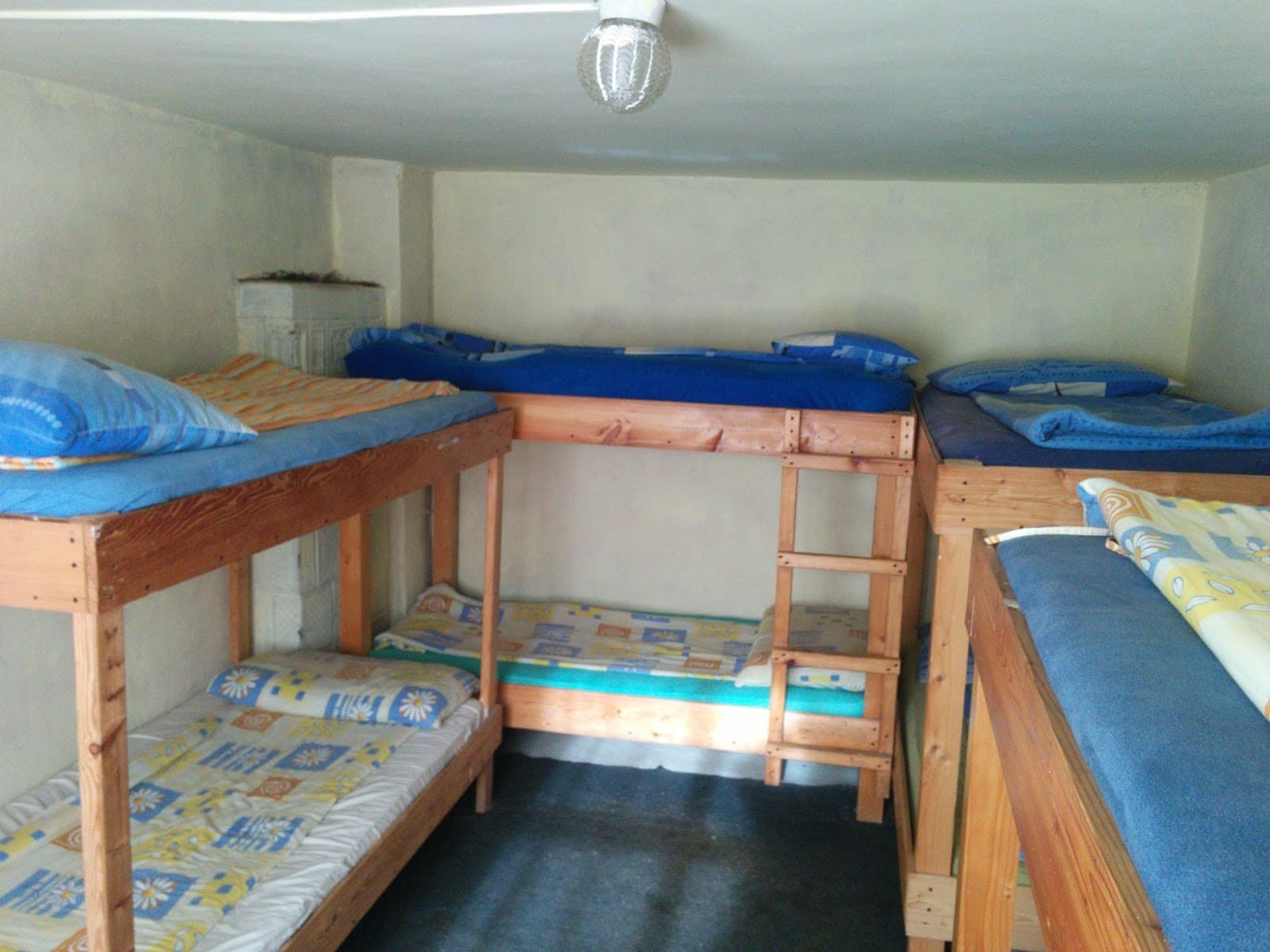
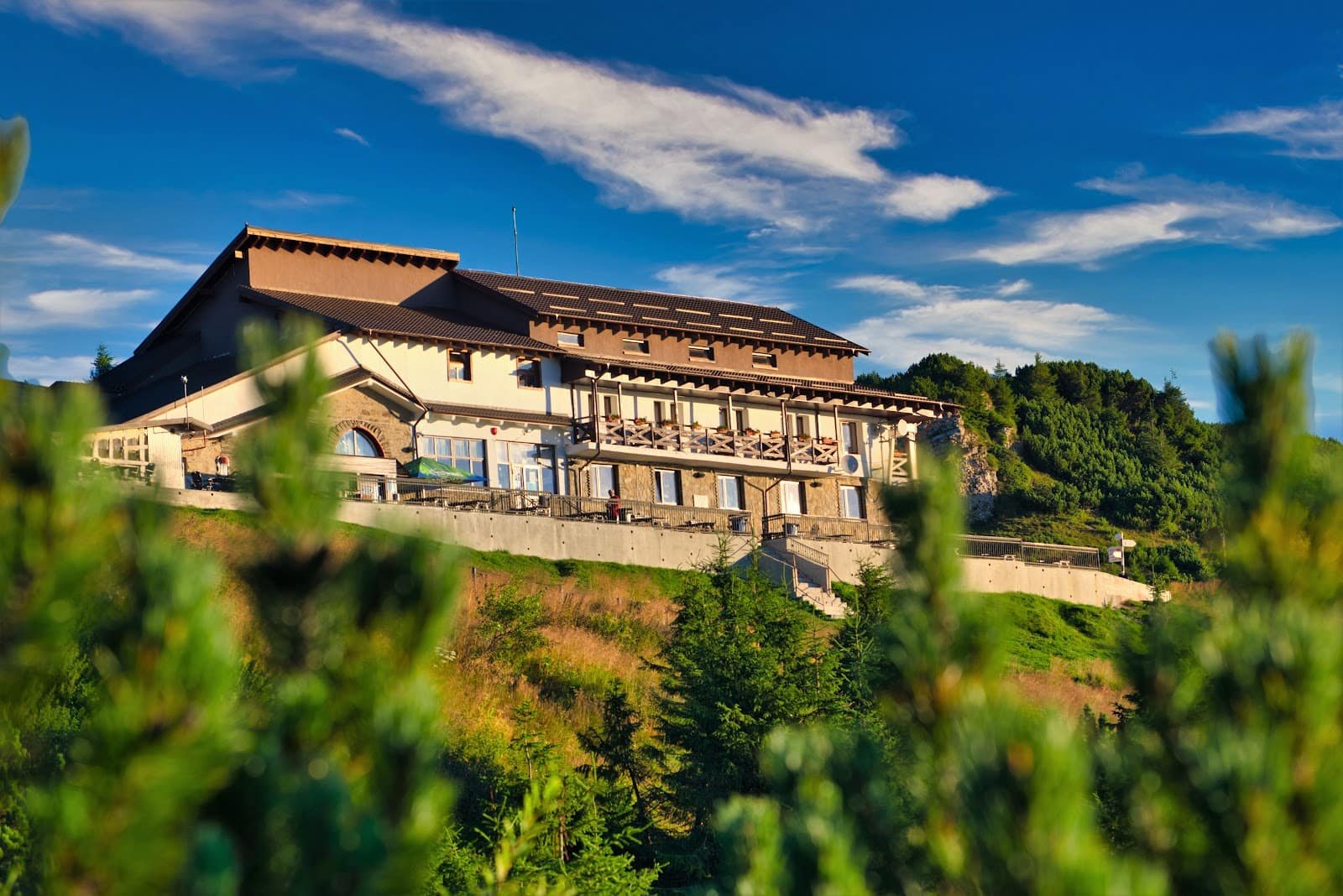
Shelters in the alpine zone are few and should not be treated as guaranteed accommodation. In practice you sleep down in Borșa and start early. Look through accommodation and, for local hosts, guesthouses. If you want Pietrosul with a guide, see experiences — for a mixed-ability group it's the best money you'll spend.
The cameras on webcam show quickly whether the summit is in cloud. And if you have a spare day, drop down to Gutâi – Maramureș for a good contrast: villages, wooden churches, short walks.
Safety
The vertical, not the distance. Pietrosul is measured in metres climbed, not kilometres. Plan your day from +1200 m and the matching descent.
Departure time. Most trouble in the Rodnei starts with a late start. Leave at first light, set a turnaround time and keep it, even if the summit is an hour away.
Alpine ground with no shelter. Up there you have nowhere to retreat to. Wind and rain shell, a thermal layer, water and food — even on a clear July day. The full list is in the equipment guide.
Beyond that: tell someone where you're going, don't count on phone signal, and turn back if fog comes in. Emergency numbers are at Salvamont, and forecast-based decisions are covered in safety and weather in the mountains.
Frequently asked questions
Can I climb Pietrosul if I rarely go to the mountains?
Not a good idea. +1200 m in a day takes familiarity with long effort, not just willpower. Do a few moderate outings first. Horses' Waterfall is the right choice to start with.
How long does Pietrosul actually take?
We publish around 300 minutes, indicative, for a steady pace. In practice, with breaks, photos and a mixed group, a full day is the realistic estimate. Don't plan anything after it.
Why is there no distance on either trail?
Because we don't have a reliable measurement. We'd rather say so than publish an invented figure; on this kind of terrain, time and elevation gain describe the effort better anyway.
Does Horses' Waterfall work with small children?
Generally yes: around 90 minutes with a gentle climb, on a path. Allow for mud after rain, and for the fact that tired children descend slower than you think.
What if the forecast is bad?
You drop Pietrosul — no negotiation. Weather in the alpine zone doesn't forgive, and the summit will still be there next time. A mediocre-weather day is saved by the waterfall, the gondola and a short walk through the villages.